Three decisions determine the right fly line: the type of line based on density, the taper style that fits how you cast, and matching the weight to your rod. Most beginners do best with a weight-forward floating line that matches the rod weight. A weight-forward floating line casts easily, works in most freshwater situations, and handles dry flies, nymphs, and streamers without switching lines.
This guide covers all three decisions in plain terms, explains how to read the codes on fly line packaging, and ends with a clear recommendation for anyone building their first setup. If you're starting from scratch, the complete beginner's guide to fly fishing covers every gear decision in the right order.
What is a Fly Line? A Quick Definition
A fly line is the weighted cord that connects your rod to your fly. Fly line weight makes casting possible, since artificial flies weigh almost nothing on their own, and you need something with actual mass to load the rod and carry the fly out onto the water.
Knowing the different types of fly lines starts with knowing that each type is designed for a specific depth range, casting style, and fishing situation. Without the right fly line, even the best rod in the world won't cast well.
What Are the Different Types of Fly Lines?
The four main types of fly lines are defined by their density: how they behave in the water column. Choose the right type based on how deep you want to fish and what type of fly you're using.

Floating Line
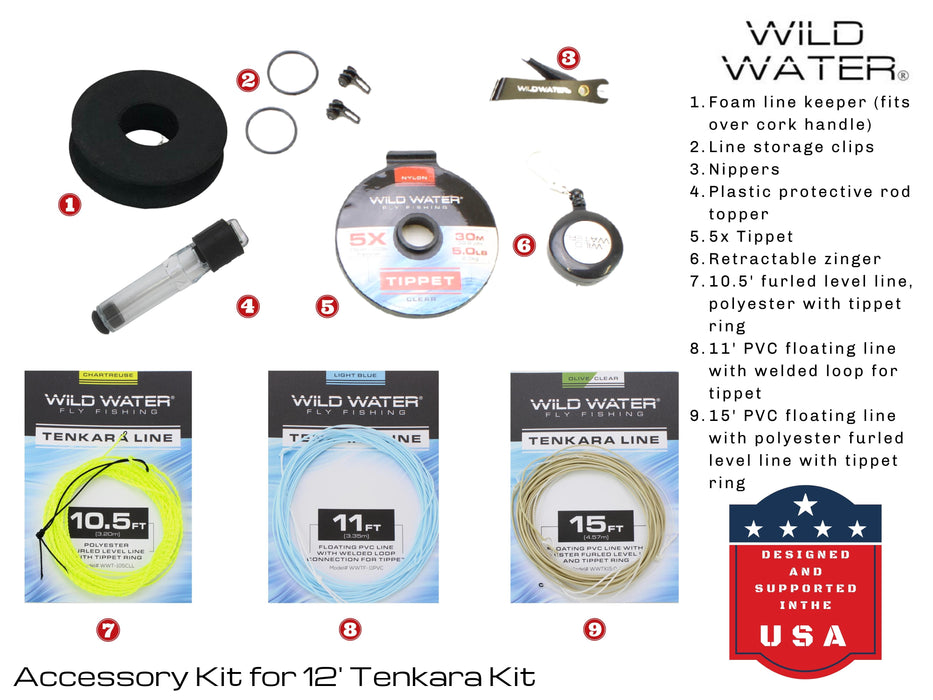
Floating fly line stays on the surface of the water. Floating fly line is the most common choice and works for dry flies, which ride on top of the water, nymphs that sink and imitate underwater insects, and streamers that mimic baitfish. For most beginners fishing trout streams and general freshwater, floating line covers almost everything you'll encounter. Wild Water carries weight-forward floating lines in 3, 4, 5, 7, and 8-weight.
Intermediate Line
Intermediate line sinks very slowly, just below the surface of the water. You use it when fish are feeding in that shallow zone under the water, but not deep enough to require a full sinking line. Intermediate line suits stillwater anglers on lakes and ponds where fish cruise just below the surface. (A lot of beginners skip intermediate line entirely and go straight from floating to sinking. That's fine for most situations, but intermediate line fills a real gap if you're fishing lakes regularly.)
Full Sinking Line
Sinking fly line pulls the entire line down through the water column. Use it in deep lakes, deep fast-moving rivers, or any situation where you need to get a nymph or streamer down to where the fish are holding. Wild Water offers sinking fly lines in three rates: standard, fast, and super-fast, so you can match the sink speed to the depth you're fishing.
Sink-Tip Line
Sink-tip line is a hybrid. On most standard models, the sinking front section runs around 10 feet. Options range from a few feet up to 30 feet for bigger water applications. The front section sinks below the surface while the rest of the line floats. This means you can fish a streamer or wet fly at depth while still seeing the floating portion of your line on the water's surface. When that floating section dips suddenly, you know something has taken your fly, or you've snagged the bottom.
Quick Reference: Which Line Type Should I Use?
This table maps each line type to the fishing conditions it handles best. Use it as a starting point when you're deciding what to spool up before a trip.
|
Line Type |
What It Does |
Best For |
Depth Zone |
|
Floating |
Stays on the surface |
Dry flies, nymphs, general freshwater |
Surface |
|
Intermediate |
Sinks very slowly |
Wet flies, stillwater subsurface fishing |
Just below surface |
|
Sinking |
Sinks fully |
Deep streamers, nymphs, fast rivers |
Mid to deep water |
|
Sink-tip |
Tip sinks, back floats |
Streamers with visual strike detection |
Variable |
What Fly Line Taper Is Best for Beginners?
Taper refers to how the diameter of the fly line changes from one end to the other, and it directly affects how the line casts, how the fly turns over at the end of the cast, and how delicately or powerfully the fly lands on the water. Fly line taper comes in three types: weight-forward, double taper, and level.
Weight-Forward (WF)
A weight-forward line is heavier and thicker in the front section, then tapers down to a thinner running line in the back. That extra mass at the front loads the rod quickly and makes it easier to cast farther. Weight-forward taper handles casting in windy conditions or throwing heavier flies better than any other taper style. Wild Water builds its entire fly line lineup around weight-forward taper because it suits the widest range of casting situations.
Double Taper (DT)
A double-taper line is symmetrical, tapered the same way at both ends. Double taper is the better choice when delicacy matters most, like presenting a small dry fly on a calm spring creek where a loud landing will spook trout. Double taper also extends line life because you can flip the worn end and fish the undamaged side. Wild Water carries double-taper lines for anglers who want that presentation finesse.
Level Taper (L)
A level taper line has no taper at all. Level taper line runs the same diameter and weight from one end to the other, which makes it harder to cast and harder to control than weight-forward or double-taper lines. Level taper offers no practical advantage for most anglers, which is why Wild Water doesn't carry level taper fly lines.
How Do You Match Fly Line Weight to Your Rod?

Now that you know the types, the next step is matching the line weight to your rod. Every fly rod is built for a specific line weight, and getting this right is what makes the whole system work.
Manufacturers stamp a line weight rating on every fly rod blank near the handle. A 5-weight rod needs a 5-weight line. A 3-weight rod needs a 3-weight line. The weight rating tells you how much load the rod is built to cast, and when line weight matches rod weight, the rod flexes and loads properly on each cast. When line weight and rod weight don't match, the casting feels off and your control suffers.
You can use a line one weight heavier or lighter in a pinch. Some anglers intentionally go one weight heavier to slow down their casting stroke, especially on shorter casts. But for general use and especially when you're starting out, match the numbers exactly. (Most beginners ask about this more than anything else, and the answer is always the same: match the weight on the rod blank.)
Fly line weights run from 1 to 15. Weights 2 through 4 target small trout, panfish, and delicate presentations. Weights 5 and 6 are the most versatile and cover most freshwater fishing. Heavier weights from 7 up are for bass, pike, salmon, and saltwater species. Wild Water's species and line weight chart breaks down the right weight by target fish if you want a quick reference. If you're still deciding on a rod, the guide on how to choose the perfect fly rod covers action, length, and weight across different species and water types.
What Do Fly Line Codes Like WF-6-F Mean?
The codes on fly line packaging look confusing at first, but once you understand the system, reading them takes about three seconds.
The format is always: Taper Type + Line Weight + Density
Here's what each letter stands for:
- WF = Weight Forward
- DT = Double Taper
- L = Level
- F = Floating
- I = Intermediate
- S = Sinking
- F/S = Floating with Sinking Tip (Sink-Tip)
Here are four real examples decoded:
|
Code |
What It Means |
|
WF-5-F |
Weight-forward, 5-weight, floating. The most common beginner setup for trout and general freshwater. |
|
WF-7-F |
Weight-forward, 7-weight, floating. Great all-around for bass, bigger trout, and versatile freshwater use. |
|
WF-7-S |
Weight-forward, 7-weight, full sinking. Built for deep presentations in lakes or heavy rivers. |
|
WF-6-F/S |
Weight-forward, 6-weight, with a sinking tip. Fish the fly deep while tracking the floating section for strikes. |
Does Fly Line Color Scare Fish?
Fly line color matters a lot more to you than it does to the fish. The fly line sits far from the fly by the time the presentation reaches a fish, and most fish aren't reacting to the fly line at all.
That said, color matters for you, because visibility helps you track your line, manage your cast, and detect strikes faster. Bright colors like yellow, orange, or green are easy to see in low light. Two-color fly lines, where the color changes partway through, help you know exactly how much line is out during a cast. (Some experienced anglers swear by two-color lines for consistent cast length in tight spots.)

For anglers who want maximum stealth in clear, low-pressure water, Wild Water carries clear intermediate fly lines that are nearly invisible just below the surface. Clear lines don't affect casting, but they can make a difference in pressured fisheries where educated fish have seen a lot of gear.
Which Fly Line Should a Beginner Buy?
A weight-forward floating line matched to your rod weight is the right first choice for most beginners. Weight-forward floating line casts most easily, covers the widest range of fishing situations, and handles dry flies on the surface or nymphs and streamers below without needing to switch lines.
Here's a simple starting point by target species:
|
Target Fish |
Recommended Line |
Wild Water Option |
|
Trout, panfish, small streams |
WF-3-F or WF-4-F |
|
|
Trout, bass, general freshwater |
WF-5-F or WF-7-F |
|
|
Bass, pike, larger species |
WF-7-F or WF-8-F |
Weight-Forward 7 Floating or Weight-Forward 8 Floating |
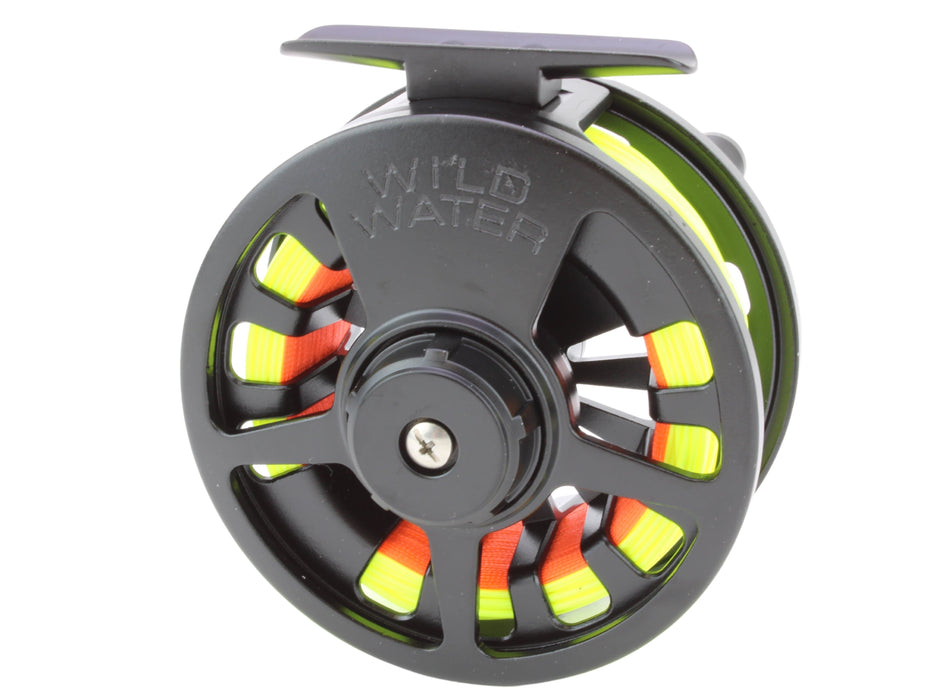
If you already have a complete fly fishing kit from Wild Water, the line included is already matched to the rod. If you're buying a replacement or upgrade, the full Wild Water fly line collection is organized by weight and type, so it's easy to find exactly what you need. Pairing the right line with the right reel matters too. The guide on different types of fly reels explains reel sizing and drag systems if you're putting together a complete outfit.
Fly Line FAQs
What is the difference between a fly line and a leader?
The fly line is the thick, weighted cord that loads the rod and carries the cast. A leader is the thin, clear monofilament that connects the fly line to the fly. The leader tapers down to a fine tip where you tie on tippet, then your fly. Fish see the leader up close, so the leader needs to be as thin and clear as possible. The full breakdown of how tippet and leader work together explains sizing, material choices, and when to replace each one.
Can I use the same fly line for trout and bass?
Yes. A 5-weight or 7-weight weight-forward floating line covers both species. Bass flies run larger and wind-resistant, so a 7-weight turns them over more easily. Trout fishing on smaller streams favors a lighter 4-weight or 5-weight for better presentation control. A 5-weight WF floating line is the best single option for both.
Do I need more than one fly line?
Most beginners don't. A weight-forward floating line covers trout streams, bass ponds, and panfish without any swap. You only need a second line when you fish deep lakes or heavy rivers regularly. A sinking or sink-tip line gets flies to depth faster than a floating line ever will.
How long does a fly line last?
A well-maintained fly line lasts three to five seasons. The coating cracks over time and the fly line stops floating or shooting cleanly through the guides. Wiping a fly line down with mild soap and water after each trip extends its lifespan significantly. Replace a fly line when it sinks on its own or shows cracks near the tip.
What is a hover fly line?
A hover line is a slow-sinking intermediate that suspends just under the surface film instead of pulling deeper. A hover line keeps your fly in the shallow feeding zone without dragging it down. Hover lines work best for stillwater fishing on lakes and ponds. Wild Water carries hover lines in 5, 6, 7, and 8-weight.