Fly fishing is a method where the angler casts an artificial fly using the weight of the fly line rather than the lure. Unlike spin fishing where heavy lures pull the line forward, fly fishing gear works differently. The fly line makes casting possible because flies are nearly weightless. A 5 weight rod, 9 feet long, is the best fly fishing setup for beginners because it handles trout, panfish, and bass with ease.
With the right gear and a little practice casting, most new fly anglers catch fish within their first few trips. This fly fishing 101 guide covers everything you need to know: the gear that matters, how to cast, the two knots you actually need, and how to plan your first outing. Wild Water has been helping beginners get started since 2006, and we've learned what works. Let's get you on the water.
Key Takeaways for Beginner Fly Anglers
- Start with a 5 weight rod, 9 feet long, the most versatile beginner fly fishing gear
- The fly line makes casting possible (weight is in the line, not the fly)
- Practice casting on grass before your first trip. Fifteen minutes saves hours of frustration
- Learn two knots: clinch knot (fly to tippet) and surgeon's knot (tippet to leader)
- Trout and panfish eat nymphs 80 to 90% of the time. Fish below the surface
- Start on stocked ponds or small lakes for your best chance of catching fish
- You don't need expensive gear or waders to get started
- A fishing license is required in all 50 states
Essential Fly Fishing Gear for Beginners
You don't need a garage full of equipment to start fly fishing. Here's what actually matters.

How Fly Fishing Gear Works Together
The connection chain in fly fishing runs like this: your fly rod connects to a fly reel, which holds backing (thin reserve line), then your fly line, then a tapered leader, then tippet (the thinnest section), and finally your fly. Each component serves a purpose, and they need to be matched properly.
The casting mechanics are what make fly fishing unique. You're using the weight of the line to carry a nearly weightless fly to your target. That's why matching your line weight to your rod weight matters so much. Our guide on fly fishing vs spin fishing digs deeper into when each method excels.
There are different types of fly lines for various fishing situations, but most beginners start with a floating, weight-forward line. Flies are made from feathers, fur, thread, and synthetic materials. They imitate the insects and baitfish that fish eat. Understanding different types of flies helps you match what fish are eating.
Fly Rods: What Weight to Start With
Fly rods are classified by weight on a scale from 1 to 12. This weight rating matches the fly line weight you'll use. A 3 weight rod uses 3 weight line. A 7 weight rod uses 7 weight line. Simple enough.

A 5 weight rod is the best fly fishing choice for beginners. It handles trout, panfish, smaller bass, and even some light saltwater applications. It's versatile enough to grow with you. The standard length is 9 feet, which gives you good casting distance and line control on most water types.
Shorter rods (7 to 8 feet) work better on small streams with lots of trees. Different weights serve different purposes: lighter rods for smaller fish and delicate presentations, heavier rods for bass, pike, and saltwater species. But if you're buying one rod to start, a 9 foot, 5 weight, medium-fast action rod is a solid choice.
There's more to rod selection than weight alone. Different types of fly rods covers action types and materials, while how to choose the perfect fly rod walks through the full decision process.
Fly Reels: What Beginners Need to Know
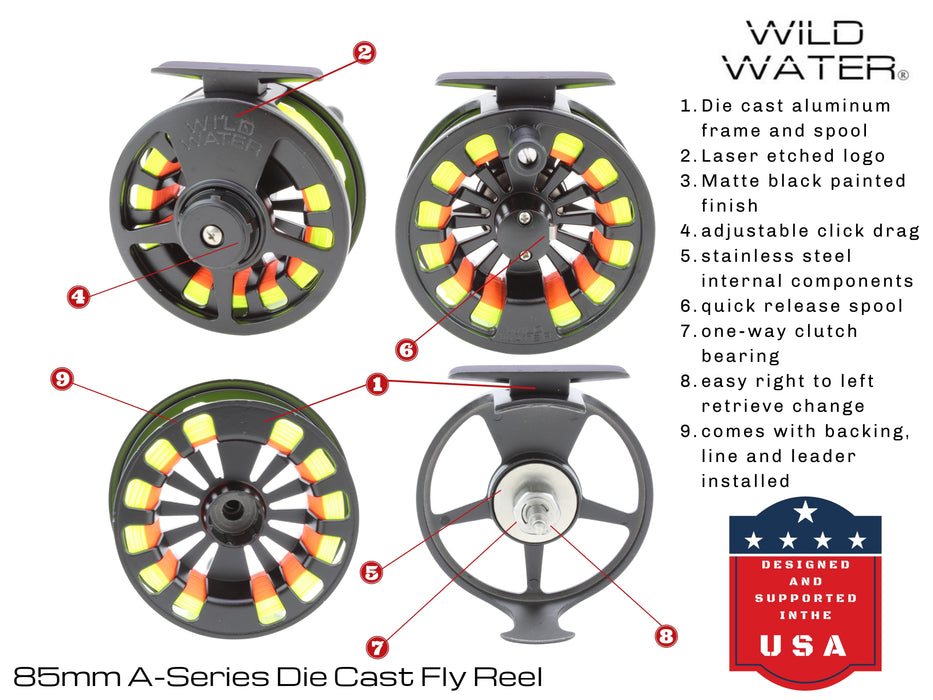
Here's something most beginners don't realize: the fly reel's primary job is just holding your fly line. You're not using it to fight fish the way you would with spinning gear (at least not at first).

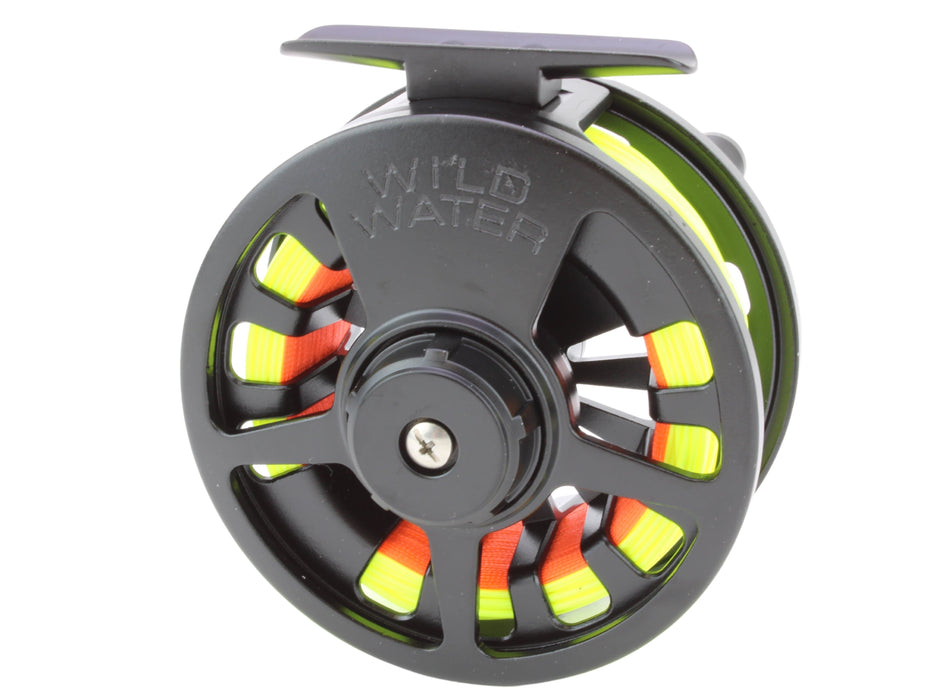
Choose a fly reel that matches your rod weight. A 5/6 weight reel pairs with a 5 or 6 weight rod. The drag system matters more as you pursue larger fish, but for trout and panfish, an entry-level reel works perfectly. Don't overspend here. The rod matters more for beginners.
The difference between die-cast and CNC machined reels comes down to precision and price. Different types of fly reels breaks it down, and our roundup of the best fly fishing reels has specific picks at every price point.
Fly Lines, Leaders, and Tippet Explained
Your fly line is what you'll cast. For beginners, a weight-forward floating line covers 90% of situations you'll encounter. Fly lines also come in sinking versions for deeper water, but that's an intermediate topic. Matching your line weight to your rod weight matters, and our guide on understanding fly line weight explains how to get this right.
Your leader is the tapered, nearly invisible line connecting your fly line to your tippet. It transfers energy from your cast and helps your fly land softly. Most kits include one, but you'll want spares.
Tippet is the final thin section tied to your fly. It's sized by "X" ratings, where higher X means thinner diameter. A 5X tippet is thinner than a 3X tippet. Keep extra tippet in your vest because you'll change flies often and need to replace this thin material.
The difference between these two trips up a lot of beginners. Our guide on tippet vs leader clears up the confusion.
Flies: The Lures You Cast
Flies are made from natural and synthetic materials tied onto hooks. They imitate the insects, baitfish, and other creatures fish eat. Here are the four main categories beginners should know:

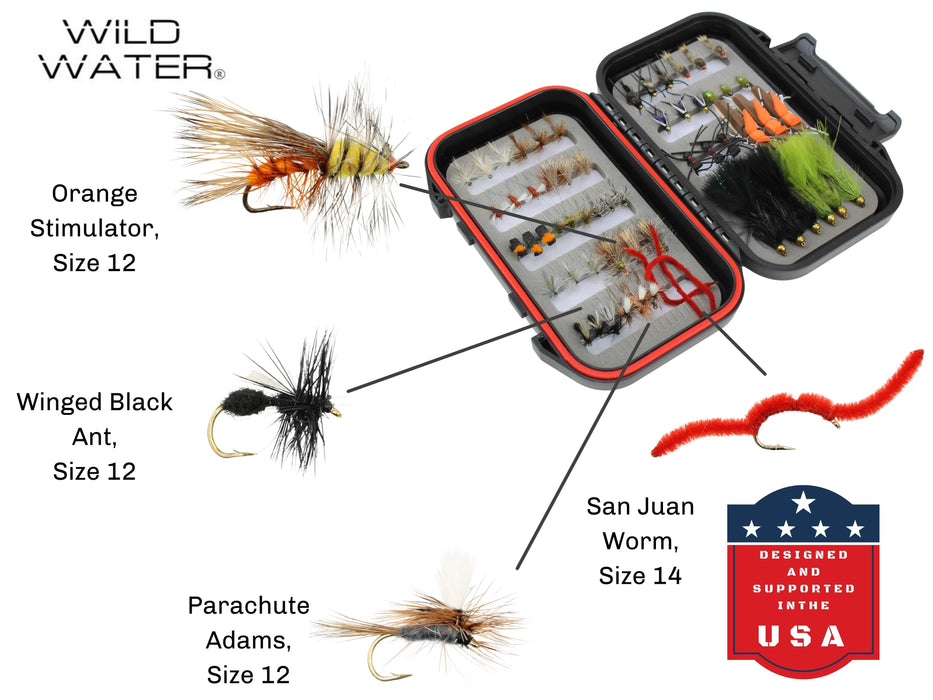
Dry flies float on top of the water, imitating adult insects like mayflies and caddis. They're what most people picture when they think of fly fishing. When you see fish rising to eat insects on the surface, you tie on a dry fly. Watching a fish eat your fly off the surface is what hooks most people on fly fishing. They're exciting but not always the most productive option. Our guide on fishing with a dry fly covers presentation and drift techniques.
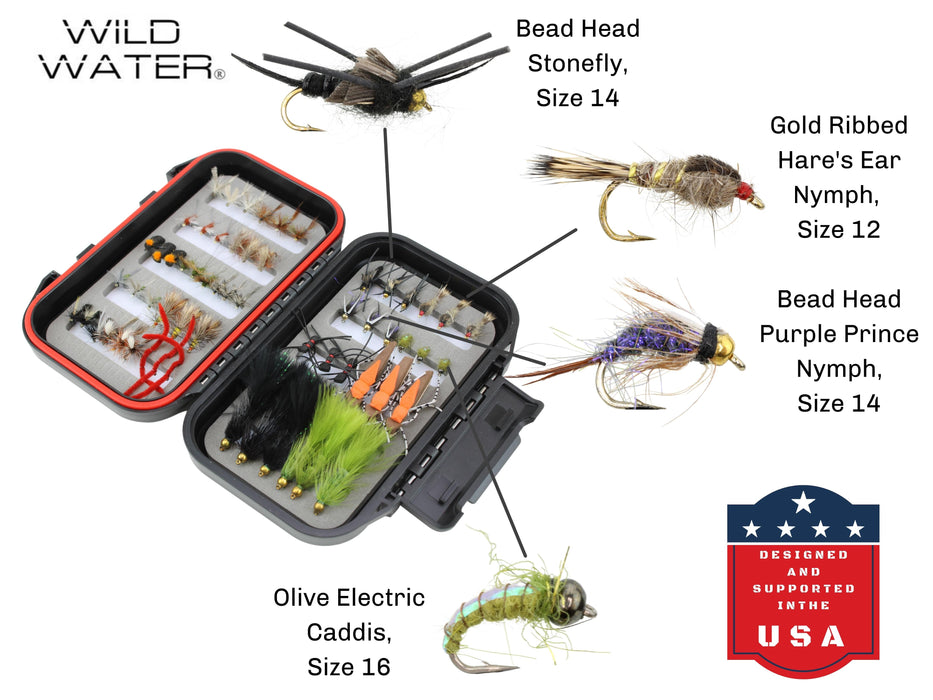
Nymphs sink below the surface, imitating immature insects (larvae and pupae). Trout eat these 80 to 90% of the time because that's where most insects live, near the bottom of the river. They aren't as visually exciting as dry flies, but they catch more fish than any other fly type. Our guide on fishing with nymphs covers the techniques that make this method so effective.
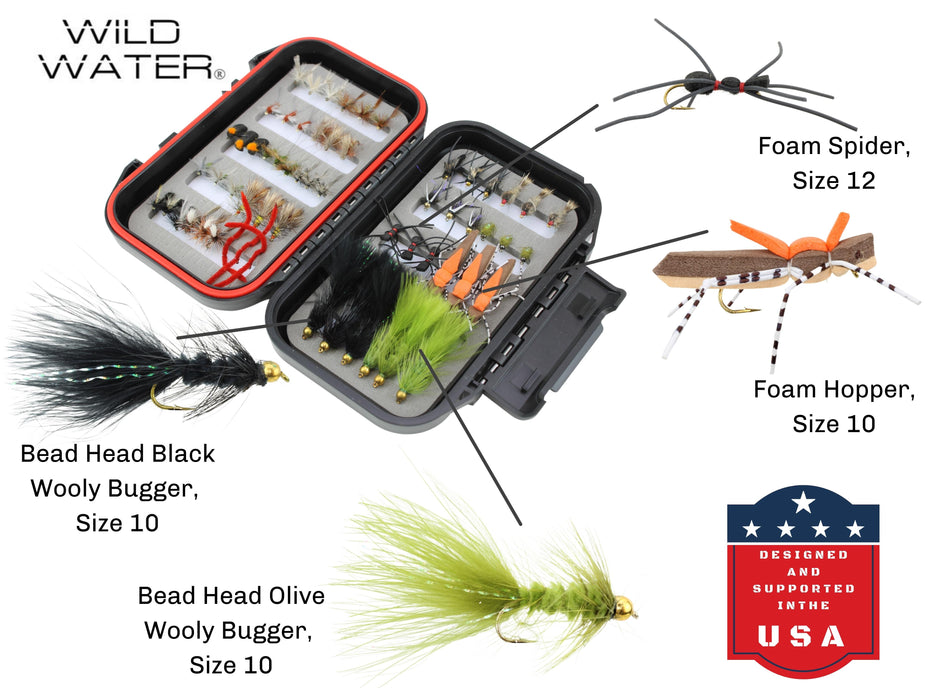
Streamers imitate baitfish and are fished actively with a stripping retrieve. They target bigger, more aggressive fish. Our guide on fishing with streamers covers retrieve techniques and when to throw these patterns.
Poppers are floating flies for bass and panfish. They have a cupped face that creates surface commotion when you strip them. They trigger explosive strikes from largemouth bass.
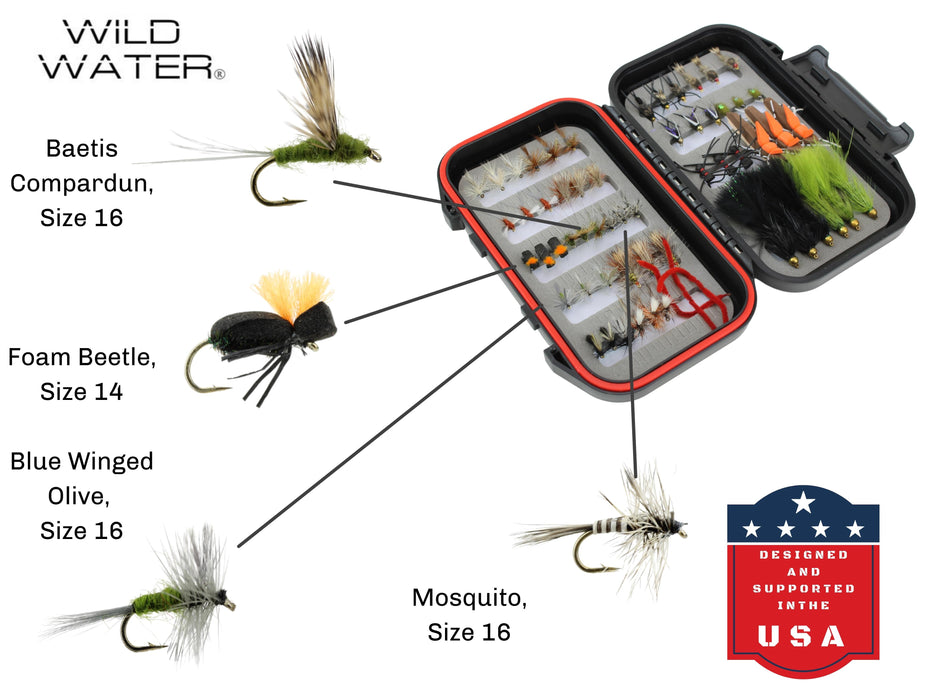
Size of the fly matters. Match what fish are eating. Small flies (size 14 to 18) often outperform larger ones. When in doubt, go smaller.
Beginner Fly Fishing Kits: The Easiest Way to Start
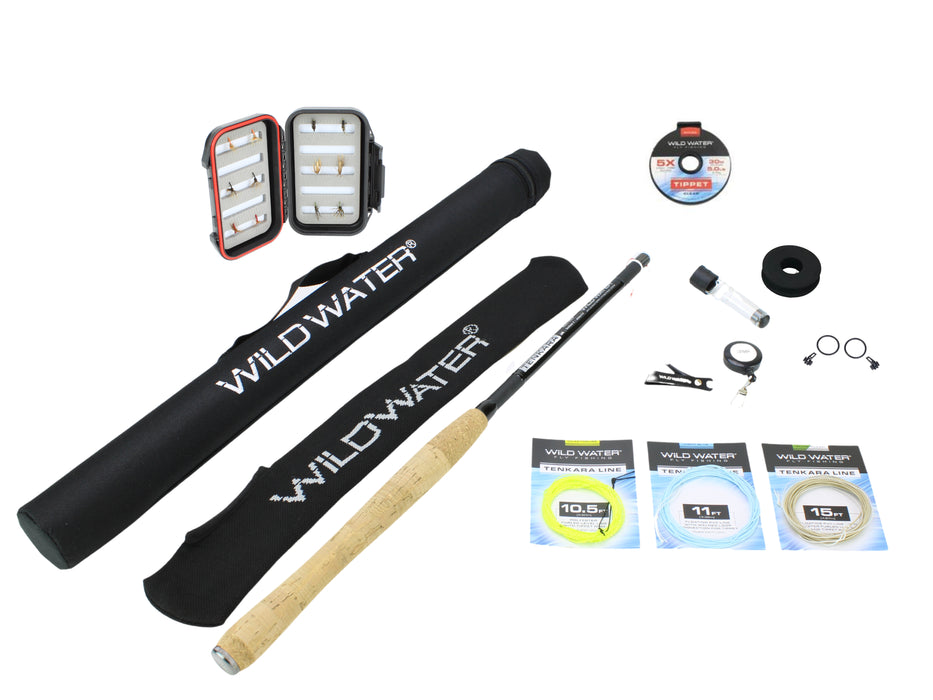
Complete beginner fly fishing kits eliminate guesswork. The rod and reel are matched, the line is installed, and you get flies to start fishing immediately. Everything is tested to work together.
A quality starter kit runs $80 to $150 and includes: rod, reel, fly line, leader, starter flies, and a protective case. That's the best fly fishing value for new anglers who want to start fishing without researching every component.
We put together a guide to the best fly fishing starter kits that compares features and value across price points. Most beginners start with 5 weight fly fishing kits because they're versatile enough for trout, panfish, and bass.
Our standard starter packages include everything you need at the best value. Deluxe starter packages step things up with CNC machined reels and premium fly selections if you want to start with higher-end components. The 5/6 fly fishing combo is our most popular starter kit. Thousands of beginners have caught their first fish with this setup.

Here's the truth: you don't need expensive gear to catch fish. Practice matters more than price. A $100 kit in the hands of someone who's practiced their casting will outfish a $500 setup every time.
The video below walks through everything included in our standard 5 weight starter package. You'll see how the rod, reel, line, and flies come together as a complete system ready to fish right out of the box.
📹 VIDEO: Wild Water Standard 9ft 5wt Fly Fishing Kit
Learning to Cast a Fly Rod
Casting a fly rod feels awkward at first. That's normal. The timing is different from anything else you've done. But basic casting isn't complicated. You can learn to cast well enough to catch fish in about 30 minutes of focused practice.

Practice Casting Before Your First Trip
Practice casting on grass in your backyard. You don't need water. Use yarn tied to your leader or a fly with the hook point clipped off. This keeps everyone safe and lets you focus on mechanics without worrying about catching anything.
Fifteen to thirty minutes of practice prevents hours of frustration at the water. You'll get the hang of timing faster without fish distracting you. Trust me on this one.
Place targets (paper plates work great) at 20 to 30 feet. That's all the distance most beginners need. Seriously. Twenty-five feet of accurate casting catches more fish than 60 feet of sloppy casting. Many fly anglers learned basic casting from YouTube videos at home first, then refined their technique on the water.
Our detailed guide to casting with a fly rod covers every technique from basic to advanced.
The Basic Fly Cast: Step-by-Step
Here's the fundamental overhead cast that every fly angler needs:
Setup: Start with your rod tip low, line in front of you on the grass or water. Strip out about 20 to 30 feet of line.
- The Backcast: Lifting your rod smoothly, bring it back to about the 10 or 11 o'clock position. Stop crisply. Now pause. This pause is everything. Wait for the line to straighten behind you. Count "one-thousand" in your head.
- The Forward Cast: Drive the rod forward to the 1 or 2 o'clock position. Stop the rod crisply (don't follow through like a baseball swing). The line forward shoots out, and your fly lands softly on the target.
- The pause is everything. Rushing the backcast is the most common beginner mistake. If you start your forward cast before the line straightens behind you, you'll hear a crack (like a whip) and your fly will snap off or your cast will collapse. Wait for it.
Other common mistakes: too much wrist action (use your whole arm), gripping the rod too tightly (relax), and too many false casts. One or two false casts is plenty. More than that just gives you more chances to tangle.
Watch this video to see the overhead cast in action. Pay attention to the timing between the backcast and forward cast. Notice how the rod stops crisply at each position rather than sweeping through in one continuous motion.
📹 VIDEO: Basic Fly Rod Casting Techniques
Beyond the Basic Cast: The Roll Cast
Once you're comfortable with the overhead cast, the roll cast is your next skill to learn. It keeps all your line in front of you when trees or brush block your backcast. You'll use it constantly on small streams and tight quarters.
The basic technique: let your line fall to the water, drag it slowly to your side so it forms a D-shape with the rod, then sweep forward firmly. The line rolls out in front of you.
This video demonstrates the roll cast from setup to execution. Watch how the line forms the D-loop before the forward stroke, and how the power comes from a firm stop rather than a hard swing.
The Two Knots Every Beginner Must Know
You could spend weeks learning fly fishing knots. Don't. You need two knots to start. Master these, and you're covered for 95% of situations.
The Clinch Knot (Fly to Tippet)
This is the knot you'll tie most often. Every time you change flies, you tie a clinch knot. Here's how:
- Thread your tippet through the hook eye
- Wrap the tag end around the standing line 5 times
- Thread the tag end through the small loop near the hook eye
- Thread it again through the big loop you just created
- Wet the knot with saliva and pull tight
- Trim the tag end
Practice at home until you can tie it in under 30 seconds. You'll tie this knot hundreds of times, so make it automatic. Our step-by-step guide on how to tie a clinch knot includes photos for each step.
Reading about knots only gets you so far. This video shows the clinch knot tied slowly so you can follow along. Pause and rewind as needed until the steps become muscle memory.
The Surgeon's Knot (Tippet to Leader)
When your tippet gets short from changing flies (usually by your second or third trip), you'll need to add more. The surgeon's knot connects new tippet to your existing leader. It's a double overhand knot with both lines overlapped by about 6 inches. Wet it, pull all four ends tight, and trim. You won't need this on day one, but learn it before your next outing.
Many fly fishers use only these two knots for years. Once you've mastered them, our fly fishing knots page has the rest: loop-to-loop connections, nail knots, and everything else you'll eventually want to learn.
Your First Fly Fishing Trip
You've got gear. You've practiced casting. Now let's get you on the water.
Setting Up Your Gear Before You Go
Assemble your rod at home first. It takes the pressure off and lets you troubleshoot problems before you're standing at the water wondering why nothing fits together.
Rod sections fit together at joints called ferrules. Line up the guides (the little rings the line passes through) so they're all in a straight row. Seat each section firmly but don't force it.
Attach your reel to the reel seat (the fitting at the bottom of the rod handle). Thread your line through each guide, starting from the reel and working toward the rod tip. Tie on your leader and tippet if they're not already attached. Finally, attach a fly using your clinch knot.
Our guide on how to set up a fly fishing outfit covers the full process with photos and video. For the individual steps, we also have dedicated pages on assembling the fly rod (ferrule alignment) and attaching the fly reel to the fly rod (mounting technique).
These two videos walk through the assembly process from start to finish. The first covers putting your rod sections together and mounting the reel. The second shows how to thread your fly line through the guides without missing any.
📹 VIDEO: How to Assemble Your Fly Rod
📹 VIDEO: How to String Fly Line on Your Fly Rod
What to Bring on Your First Outing
Keep it simple. Here's what you actually need:
- Rod, reel, and line (assembled and ready to fish)
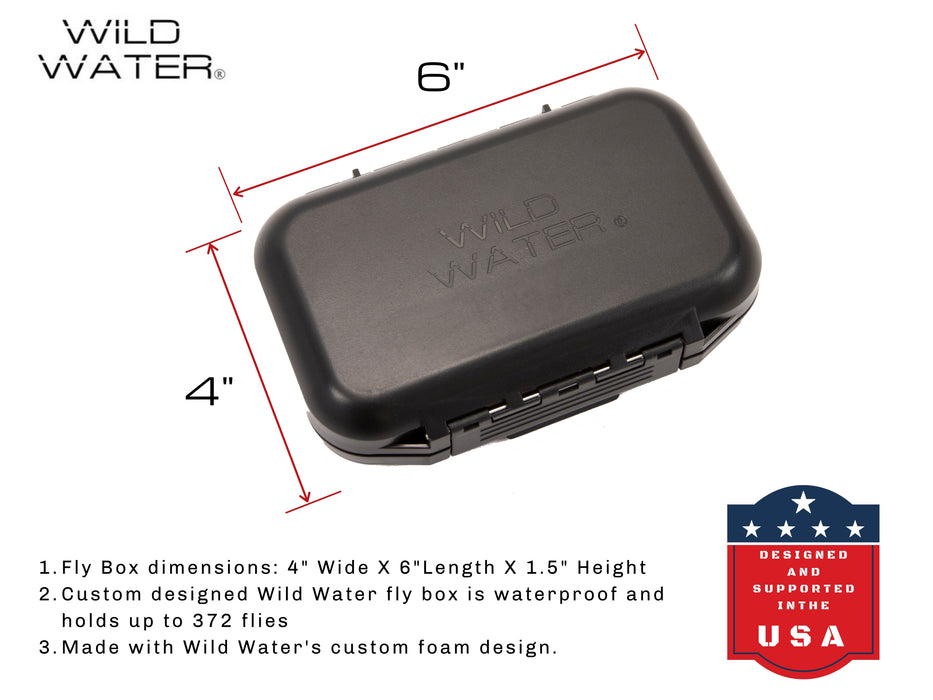
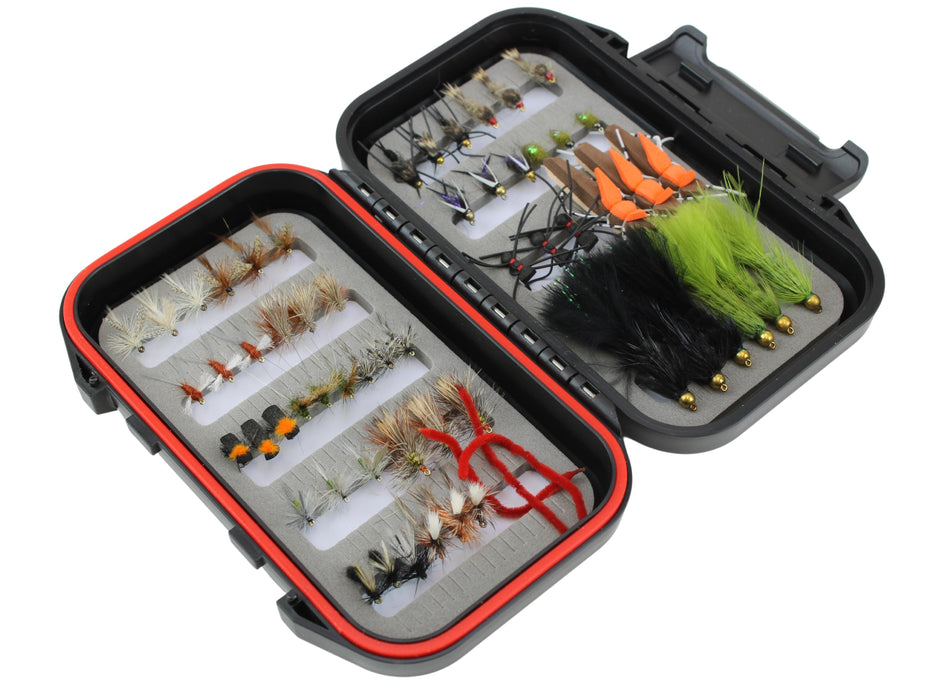
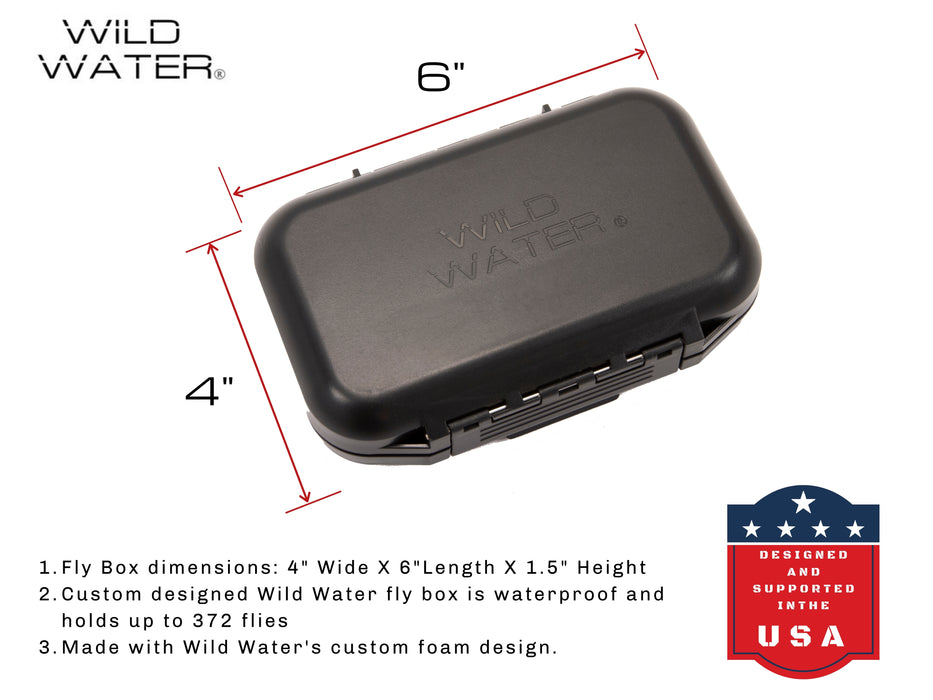
- 3 to 5 flies stored in a fly box with foam inserts
- Extra tippet material and a spare leader
- Nippers and other fly fishing tools
- Polarized sunglasses (they cut glare so you can see fish, and they protect your eyes from errant casts)
- Your fishing license (required in all 50 states, no exceptions)
- Water, sunscreen, and a hat

Skip the waders for now. Many fly anglers fish from the bank or wet wade (fishing in shorts and water sandals) for their entire first season. Waders are nice to have, not need to have.
Our beginner's checklist expands on this list with optional gear and seasonal considerations. And don't forget: a fishing license is required in all 50 states. Use our guide to get a fishing license with direct links for every state.
Where to Find Beginner-Friendly Water
Your first trip shouldn't be on a famous, crowded river where everyone else knows what they're doing. Find water where the fish are forgiving.
Stocked ponds and small lakes are perfect. The fish are hungry and less picky about your presentation. Local parks with fishing access often have great beginner water. Small streams with panfish, crappie, or stocked trout let you practice without pressure.
Ask your local fly shop. They know where beginners have the best chance of catching fish. This is genuinely useful advice. Shop employees fish these waters themselves and can tell you what's working right now. Less pressured water means more forgiving fish.
Our fly fishing destinations in the US guide covers top spots from coast to coast, organized by region. The USA fly fishing destination library goes even deeper with state-by-state guides, specific waters, and seasonal tips.
Common First-Day Mistakes (And How to Avoid Them)
- Casting too far. You don't need 60 feet of line out. Twenty to thirty feet catches plenty of fish, and accuracy matters way more than distance. Fish the water you can reach well.
- Too many false casts. Every false cast is another chance to tangle your line or spook fish. One or two false casts is enough to get your line out. Then let it land.
- Wading through the fish. This one hurts. Beginners often walk right into the water and start casting, not realizing they just stomped through the best fishing spot. Fish the close water first. Work your way out gradually.
- Fishing the wrong depth. Trout feed near the bottom of the river 80 to 90% of the time. If you're only fishing dry flies on top, you're missing most opportunities. Add weight to your nymph rig and get the fly down where fish are actually eating.
- Spooking fish. Move slowly. Watch your shadow (fish see it). Approach from downstream because fish face into the current and won't see you coming from behind. Wear muted colors. Trout have excellent eyesight.
- Giving up too fast. Even experienced fly anglers get skunked sometimes. Your first trip might not produce a fish. That's okay. Focus on practice, not catch count. But when you finally catch that first fish on a fly you tied on yourself, you'll be hooked for life.
When tangles happen (and they will), fixing common fly fishing problems walks you through quick solutions for snagged flies, knotted lines, and other headaches. Our fly fishing tips guide has more advice from experienced anglers. And since fly rods are delicate, learn how to avoid breaking your fly rod before it happens.
Choosing the Right Fly
Fly selection intimidates beginners. Walk into a fly shop and you'll see thousands of patterns in dozens of sizes. How do you choose? Start simple.
You already know the four fly types from the gear section: dry flies for surface fishing, nymphs for subsurface, streamers for baitfish imitations, and poppers for bass. Now let's talk about which specific patterns to buy.
Starting Flies for Beginners: The "Never Fail" Selection
You don't need 500 fly patterns. You need five or six that work almost everywhere:
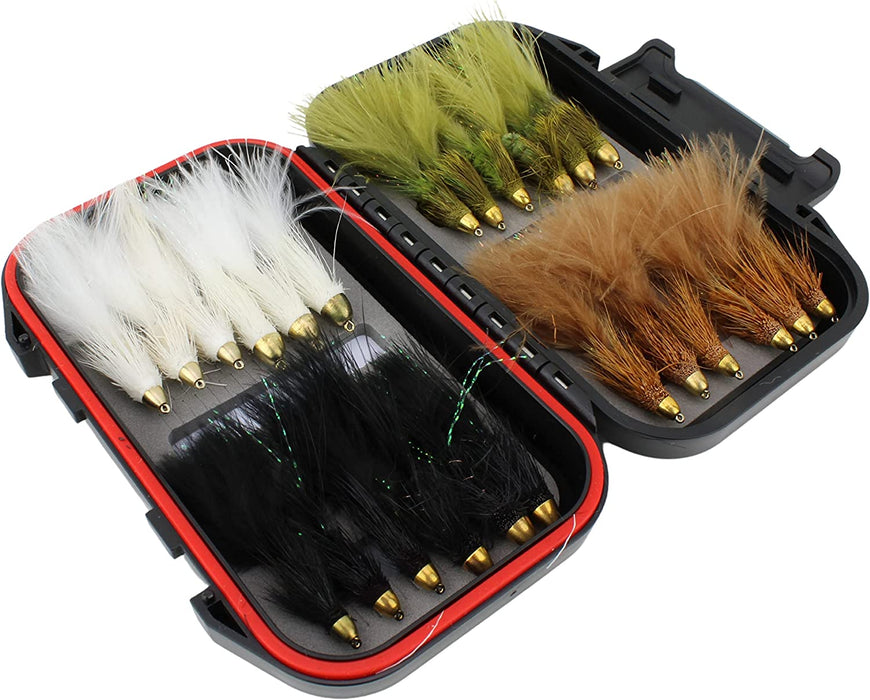
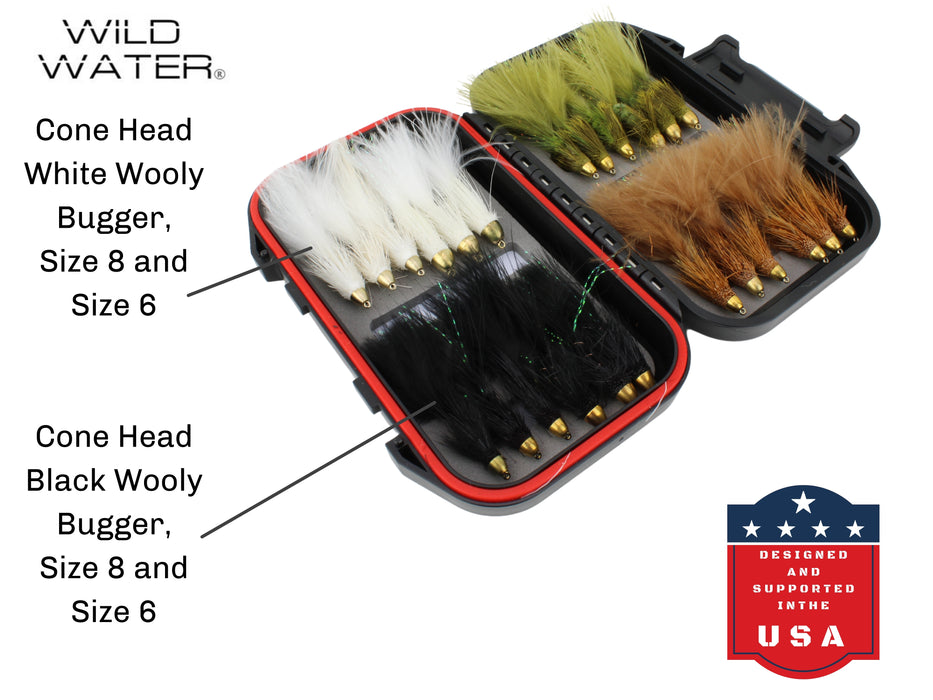
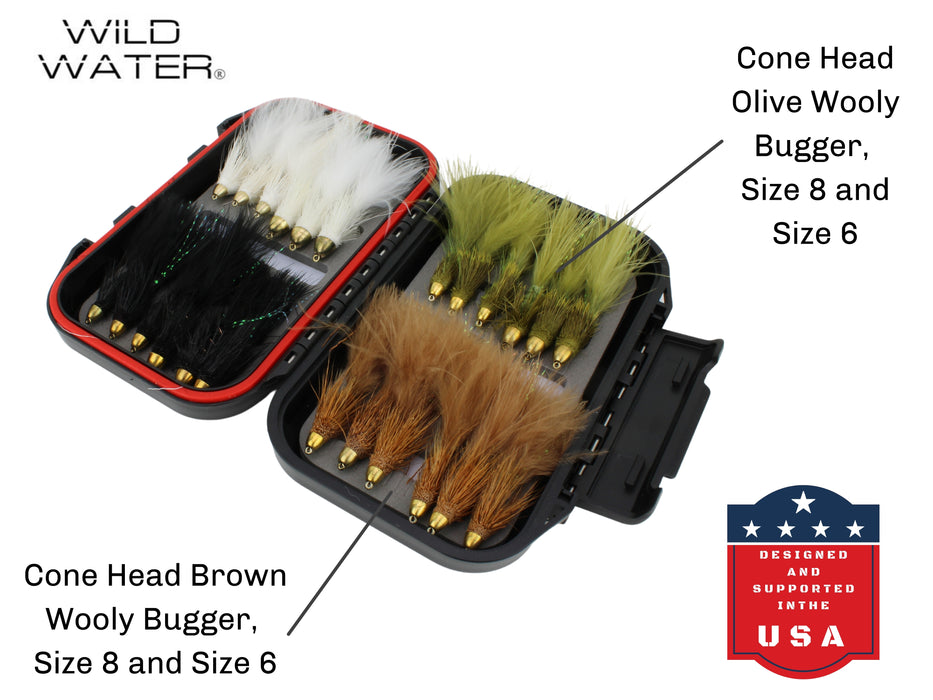
- Woolly Bugger (olive or black, size 8 to 10): This fly catches everything. Trout, bass, panfish, even saltwater species. It imitates leeches, baitfish, crayfish, basically anything that swims. Our Woolly Bugger fly assortment includes multiple colors and sizes. If you only buy one pattern, make it this one.
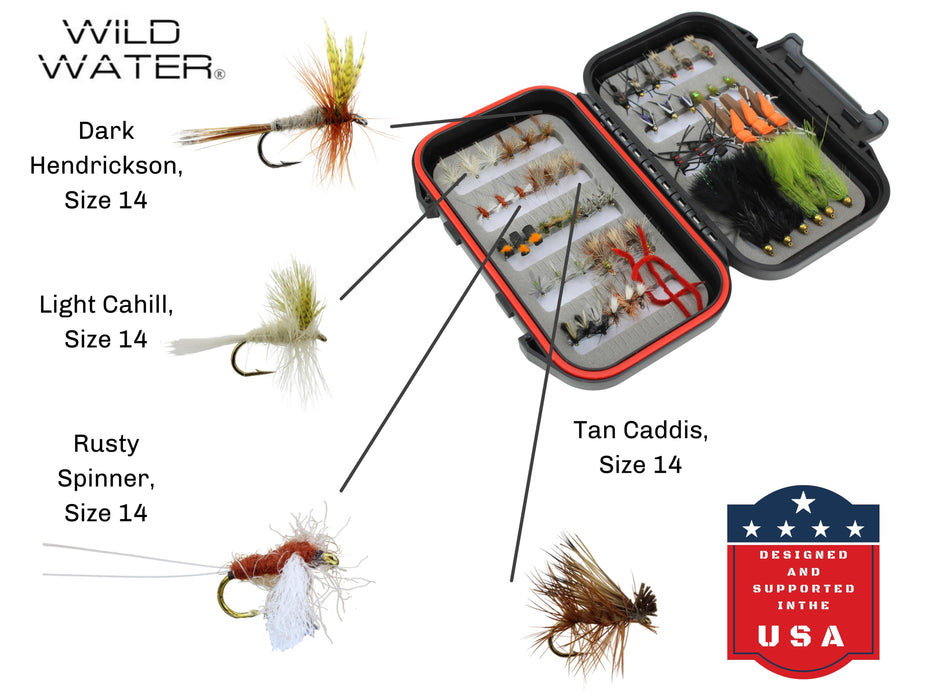
- Parachute Adams (size 14 to 16): The best all-around dry fly ever created. It imitates a variety of mayflies and works on almost any water.
- Hare's Ear Nymph (size 12 to 16): A classic nymph pattern that imitates a variety of aquatic insects. Fish it near the bottom.
- Elk Hair Caddis (size 14 to 16): A great dry fly that floats well and imitates adult caddisflies. Easy to see on the water.
- Pheasant Tail Nymph (size 14 to 18): Another essential nymph. Slimmer profile than the Hare's Ear, works when fish are being picky.

This variety of fly patterns covers most situations you'll encounter as a beginner. Small flies often outperform large ones. When in doubt, go smaller.
Pro tip: Visit your local fly shop and ask what fish are eating right now. They'll point you to the right patterns for local water. That five-minute conversation is worth more than any article.
You can pick these patterns individually, or grab a dry fly assortment and nymph assortment that bundle the essentials together. Fly assortments save you from picking flies one at a time.
Our guide to the best trout flies has pattern recommendations organized by season. For surface fishing specifically, best dry flies for trout covers the patterns that produce year after year. Rainbow trout anglers can also check out best flies for rainbow trout for species-specific recommendations.
Matching flies to conditions is covered in depth in selecting the right fly, and our guide on choosing the right fly for fly fishing breaks down the decision-making process into simple steps.
Fly Fishing Terms Every Beginner Should Know
Fly fishing has its own language. Here are the essential terms you'll encounter in this guide and on the water:
- Action: How a fly rod bends under load. Fast action rods bend mostly at the tip. Slow action rods bend through the whole blank.
- Backcast: The rearward portion of your cast, when the line travels behind you. Pause here until the line straightens.
- Backing: Thin braided line beneath your fly line. Provides extra length when a big fish runs.
- Dead drift: Letting your fly float naturally with the current, no added movement. Essential for nymph fishing.
- Drag: When current pulls your fly line and makes your fly move unnaturally. Bad drag spooks fish.
- False cast: Back-and-forth casts in the air without letting the fly land. One or two is plenty.
- Ferrule: The joint where two rod sections connect. Line up the guides when assembling.
- Leader: Tapered, nearly invisible line connecting your fly line to tippet.
- Tippet: The thinnest section of your terminal tackle, tied directly to the fly.
- Weight: The rating system for fly rods and lines (1 through 12). Match your line weight to your rod weight.
For the full dictionary, common fly fishing terms you need to know and fly fishing terminology 101 go much deeper. When you're ready to geek out on gear anatomy, parts of a fly rod and parts of a fly reel diagram every component.
Frequently Asked Questions About Fly Fishing for Beginners
Is fly fishing hard to learn?
Fly fishing basics take 30 minutes to learn. Most beginners catch fish within their first three outings when they practice casting beforehand and use proper gear. The overhead cast, one reliable knot, and a versatile fly pattern are all you need to start. Mastery takes years, but catching fish doesn't.
How much does it cost to start fly fishing?
A complete beginner fly fishing setup costs $130 to $250. This includes a starter kit ($80 to $150), flies and accessories ($30 to $50), and a fishing license ($15 to $50). Quality beginner kits work well for years. Expensive gear doesn't catch more fish than practiced casting with budget equipment.
What's the best fly rod weight for beginners?
A 5 weight fly rod, 9 feet long, is the best beginner choice. This weight handles trout, panfish, and bass, the most common beginner targets. The 9-foot length provides good casting distance and line control. Browse 5 weight fly fishing kits to see complete setups.
Do I need waders to fly fish?
Waders are not required for fly fishing. Many anglers fish from the bank or wet wade in shorts and sandals for entire seasons. Waders provide comfort in cold water and access to more fishing spots, but beginners can catch plenty of fish without them. Add waders after you're committed to the sport.
Do I need lessons to start fly fishing?
Lessons accelerate learning but aren't required. Free YouTube videos teach casting and knots effectively. Local fly shops offer low-cost clinics. A guided trip ($200 to $400) provides the fastest path to catching fish. A friend who fly fishes offers free, personalized instruction. Read about the benefits of fly fishing to understand what draws anglers to this sport.
Can kids learn fly fishing?
Children can start fly fishing around age 6 to 8. Use shorter, lighter rods (7 feet, 3 to 4 weight) sized for smaller hands. Keep trips under two hours and focus on fun over technique. Target panfish or stocked trout for quick success. Our 3 weight fly fishing kits and short fly rod kits are sized for young anglers. Panfish fly fishing kits include flies that produce fast action.
Next Steps: Continue Your Fly Fishing Journey
You now have the fly fishing 101 foundation. You understand the gear, the casting basics, the knots, and what to expect on your first trip. That's more than most people know when they pick up a fly rod for the first time.
Here's what to do next: practice your casting in the backyard, visit a local fly shop to ask about water near you, and pick a beginner-friendly spot for your first outing. Don't overthink it. Just get on the water.
Continue learning with our detailed guides:
- How to Set Up a Fly Fishing Outfit
- Casting with a Fly Rod
- Reading Water and Finding Fish
- Selecting the Right Fly
Browse our beginner fly fishing kits to find a setup that fits your budget and target species. For questions, call us at 585-967-3474. We love helping new fly anglers get started. It's why we built this company.
Shop Beginner Fly Fishing Kits →
Explore these links to start learning about fly fishing!
Determine what kind of fly fishing you will be doing.
Different types of fly fishing gear
Choosing the right fly fishing gear
Common fly fishing terms you need to know.
Build your starter fly collection with curated fly assortments
How to Set Up Your Fly Fishing Outfit
Going fly fishing for the first time.
Fixing common fly fishing problems.
Replacing your leader and tippet.