Streamer fishing uses larger flies fished with an active retrieve to trigger aggressive strikes from trout, bass, and other predatory fish. So, instead of waiting for fish to rise or drift-feeding with nymphs, you're actively hunting them.
There's a learning curve, but it's not steep. Once you understand when to throw streamers, what gear works, and how to work them through the water, you'll be hooking fish that other anglers walk right past.
Key Takeaways
- Streamers work best in high, dirty water and during times when trout aren't actively rising to the surface
- A 5/6 weight rod handles smaller streamers like size 8-10 wooly buggers, while a 7/8 weight rod makes casting larger articulated patterns much easier
- Master the strip-strip-pause retrieve to trigger strikes from fish holding in deeper water
- Wooly buggers, Clouser minnows, and sculpin patterns cover most fishing situations you'll encounter as a beginner
When to Use Streamers Instead of Dry Flies or Nymphs
High, dirty water conditions call for streamers. When visibility drops and fish can't see smaller fly patterns drifting by, a streamer's larger profile and movement become advantages. After a rainstorm pushes sediment into the river, that's prime streamer time.
Early spring runoff and late fall bring aggressive feeding behavior from large trout looking to build fat reserves before winter or after spawning. These fish want substantial meals, not tiny bugs.
Overcast days and low-light periods work well too. Dawn and dusk push big fish out of their hiding spots and into shallower water where they feel safe hunting. Streamers also shine when you're fishing unfamiliar water since you can probe a lot of holding spots in less time than nymphing allows.
Essential Gear for Streamer Fishing
The essential gear for streamer fishing includes your rod, fly line, and leader setup. Here's what to know about each.
Rod Weight for Fishing Streamers
A 5/6 weight rod handles smaller streamers like size 8-10 wooly buggers in shallow water situations. It's what you probably already own, and it'll get you started without spending another dime. For larger articulated patterns or when you're targeting big trout and bass, a 7/8 weight rod gives you more power. Heavier rods also help punch streamers into the wind and turn over sinking lines that can feel sluggish on lighter setups.
If you're serious about streamer fishing, a 7/8 weight kit gives you the backbone to throw bigger flies and fight larger fish effectively. Check out our guide on how to choose the perfect fly rod for more details.

Fly Line Selection (Floating vs. Sinking)
Floating line works for water under six to eight feet deep where you can adjust depth by changing your leader length. It's versatile and easier to cast for most anglers. Sink tip or fast-sinking lines get your fly down into deeper water and the strike zone faster when fish hold near the bottom. Intermediate sinking lines (lines that sink slowly, about 1-2 inches per second) offer a nice middle ground for varying depths without constant line changes.
Our sinking fly lines collection covers options for different depths. If you want to understand line weights better, read our guide on understanding fly line weight.

Leader Setup for Streamers
Shorter leaders of four to six feet with 0X-2X tippet (the thin section at the end of your leader that attaches to the fly) help turn over heavy flies. Unlike dry fly fishing where long, delicate leaders are needed, streamer fishing rewards simplicity. Longer leaders help get the fly deeper when you're using floating line, but don't overthink it.
Learn the knots you need in our fly fishing knots guide.
How to Read Water for Streamer Fishing
Target slow water seams next to faster current. These are the edges where fast water meets slow water. Fish sit in the calmer section and dart into the faster flow to grab food that drifts by. The cushion of slow water directly behind boulders and large rocks provides another prime spot. Trout conserve energy there while staying close to the dinner table.
Work tailouts where deeper pools transition to shallow runs. Bank edges and undercut banks hide big fish, especially when the water has some color to it. The key is thinking like a predator. Where would you hide if you wanted to ambush something swimming past? That's where the fish are waiting.
Our reading water guide covers these concepts in more detail.
Streamer Retrieve Techniques That Catch Fish
The three main retrieve techniques for streamers are the strip-strip-pause, the swing, and euro jigging. Each works best in different water conditions.

Strip-Strip-Pause and Retrieve Speed Adjustments
Strip the fly line in six to twelve inch pulls, pause for one to two seconds, then repeat. The pauses let the fly move naturally and give fish time to commit to the chase. Without pauses, you might pull the fly away from a following fish before it decides to eat.
Adjust strip speed based on water temperature. Cold water slows fish metabolism, so use a slower retrieve. Warmer conditions call for faster, more aggressive strips. Keep the fly in the water column longer during winter by using shorter, slower strips. Adding rod tip movement during your strips makes the fly move erratically, which can trigger reaction strikes from fish that weren't planning to eat.
Swinging Streamers in Current
Cast across the river or slightly downstream at a 45-degree angle. Let the current swing the streamer through likely holding water while you maintain tension on the line. Follow the fly with your rod tip, then strip it back once it reaches the opposite bank.
This technique covers water quickly whether you're in a drift boat or wading. Steelhead and salmon anglers rely heavily on the swing, working runs where migratory fish hold. Steelhead often strike from aggression rather than hunger, making the swing particularly effective for these species.
P.S. Casting bigger flies like streamers, especially in windy conditions or when you need extra distance, is where the double haul comes in handy. Here's how to add power to your cast:
Euro Jigging with Streamers
This tight-line presentation uses euro nymphing techniques (a style of nymphing that keeps you in direct contact with the fly through a specialized long leader) combined with weighted streamers. Jig the streamer up and down as it drifts through seams to stay in the strike zone longer than a traditional retrieve allows.
It works exceptionally well in pocket water (small pools and current breaks between rocks) where a normal retrieve pulls the fly out of productive water too fast. Our euro nymphing setup guide explains the technique in detail.
How to Set the Hook on Streamer Strikes
Use a strip set by pulling line sharply with your line hand while keeping your rod tip low. This is different from the rod-lifting set most anglers use for trout fishing with dry flies. Avoid lifting the rod until the fish is solidly hooked.
The strip set drives the hook point better than a traditional trout set because you're pulling directly against the fish's momentum. When a trout eats a streamer moving toward you, lifting the rod often pulls the fly out of the fish's mouth. Keep tension constant after hookup, especially when fishing barbless hooks that can slip free during slack moments.
Best Streamer Patterns for Beginners
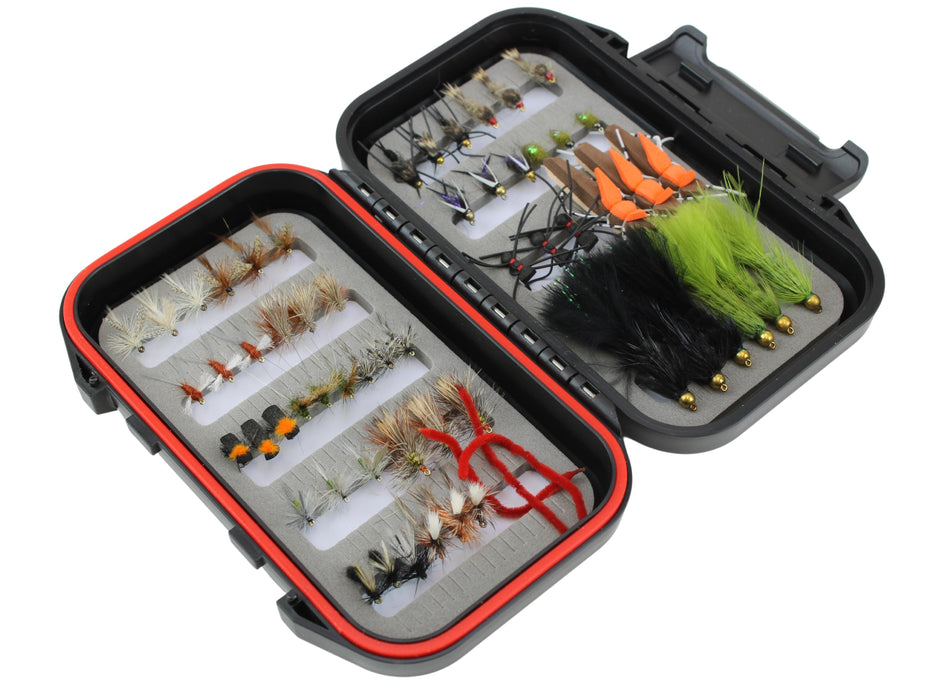
The best streamer patterns for beginners are wooly buggers, Clouser minnows, sculpin/muddler patterns, and articulated streamers.
| Pattern | Sizes | Colors | Best For |
|---|---|---|---|
| Wooly Bugger | 6-10 | Black, olive, brown | All-purpose, works in any water |
| Clouser Minnow | 8 | Chartreuse/white | Deep water, jigging action |
| Sculpin/Muddler | 4-8 | Natural browns | Bottom fishing, big browns |
| Articulated | 2-6 | Varies | Trophy fish, lifelike action |
Here's what makes each one effective.
Wooly Bugger
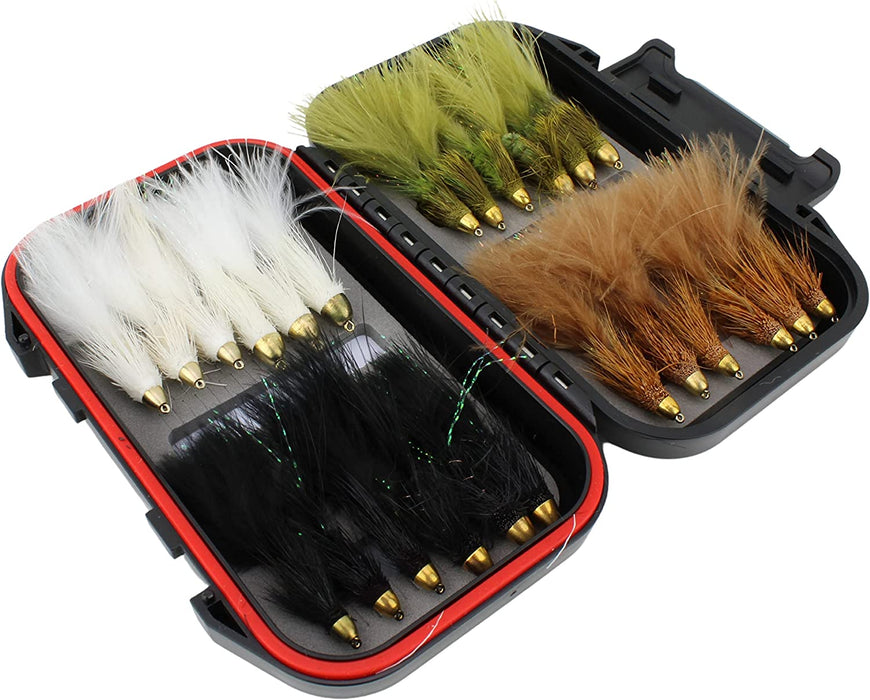
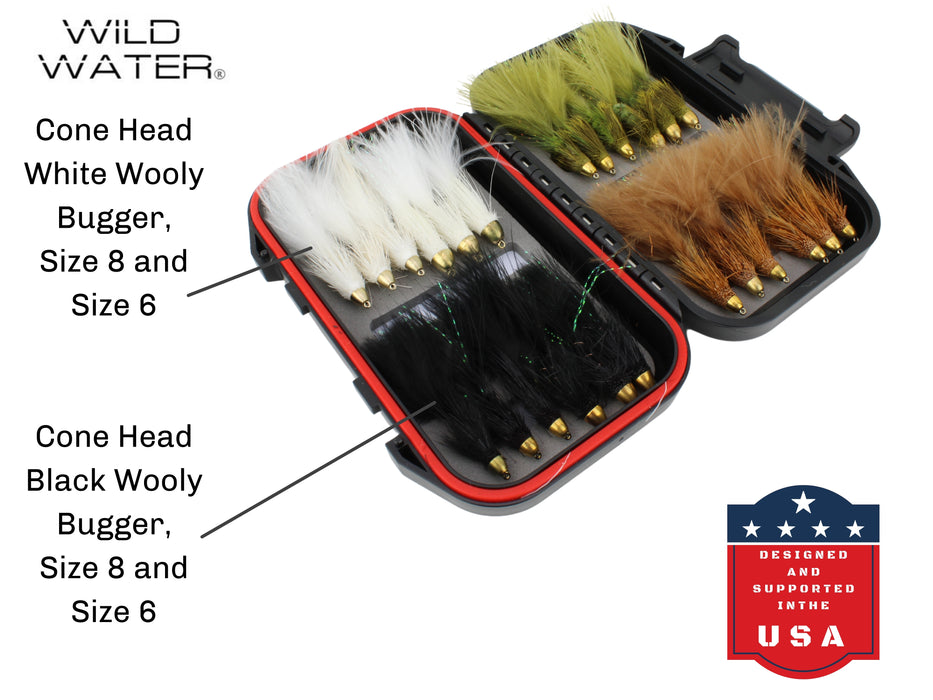
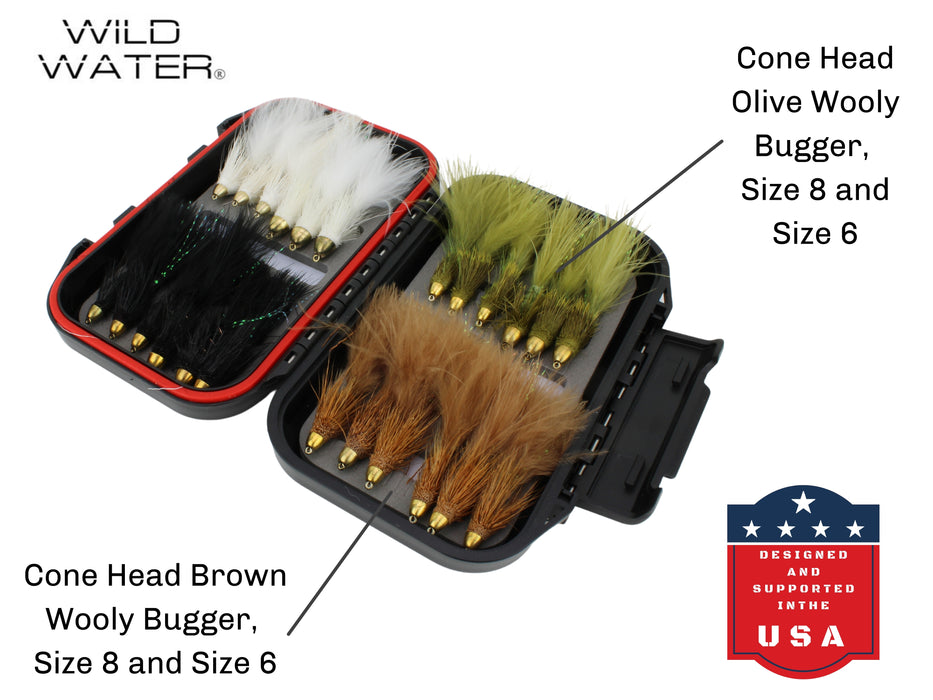
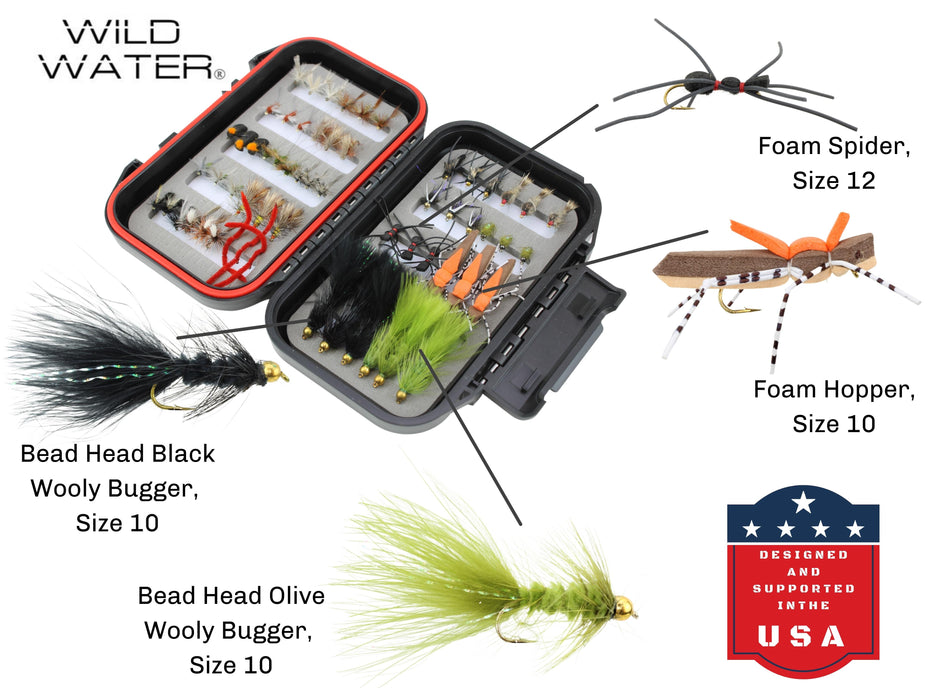
The wooly bugger might be the most versatile streamer pattern ever tied. Carry them in black, olive, and brown in sizes 6-10. This fly works regardless of what fish are actually feeding on because its silhouette and movement trigger strikes in almost any water condition. Weighted versions with bead heads sink faster for deeper water. Unweighted versions work for shallow presentations where you want to keep the fly higher in the water column.
Our wooly bugger fly assortment gets you started with proven colors and sizes.

Clouser Minnow
The Clouser features weighted eyes that make it dive on the retrieve and produce a jigging action fish find irresistible. Originally designed for smallmouth bass, it's become a go-to pattern for trout, bass, and saltwater species alike. A chartreuse and white combination covers most water conditions you'll fish.
Try our chartreuse Clouser minnow to see why this pattern has earned its reputation.

Sculpin and Muddler Patterns
These patterns imitate sculpins, which are bottom-dwelling baitfish that brown trout actively hunt. Fish them low and slow along the bottom in rocky streams where sculpins live. The muddler's deer hair head pushes water and creates vibration that fish can detect even in murkier conditions. Brown trout especially love sculpins, making these patterns a must-have if big browns are your target.
Browse our streamers collection for sculpin and muddler options.
Articulated Patterns
Multi-jointed streamers like sparkle minnows produce lifelike swimming action that single-hook patterns can't match. The segmented body moves naturally in the water, mimicking the undulating motion of a fleeing baitfish. These patterns excel when targeting trophy fish willing to eat larger meals.
They require heavier rods (7/8 weight minimum) to cast effectively because of their bulk and weight. You'll find articulated options in our streamers collection.
Streamer Fishing by Species
Streamer techniques vary depending on whether you're targeting trout or bass and pike. Here's how to adjust your approach for each.
Trout Streamer Fishing
Large trout eat baitfish more often than many anglers realize. They're not just bug eaters. A 20-inch brown didn't get that big by sipping mayflies. Target structure like undercut banks and deep pools where trophy fish feel secure enough to ambush prey.
Summer fishing requires adjustments. You'll need to fish deeper and during cooler parts of the day since trout become lethargic in warm water. Our fly fishing for trout guide covers seasonal approaches in more detail.
Bass and Pike
Bass respond aggressively to surface disturbance and erratic retrieves. Don't be afraid to strip fast and make noise. Pike require wire leaders and larger fly patterns, size 1/0 and bigger, to avoid bite-offs and match their appetite. Both species prefer warmer water, so target them when temperatures exceed 55°F.
Check out our bass and pike fly assortments for patterns designed specifically for these hard-fighting species.

Get Started Streamer Fishing with Wild Water
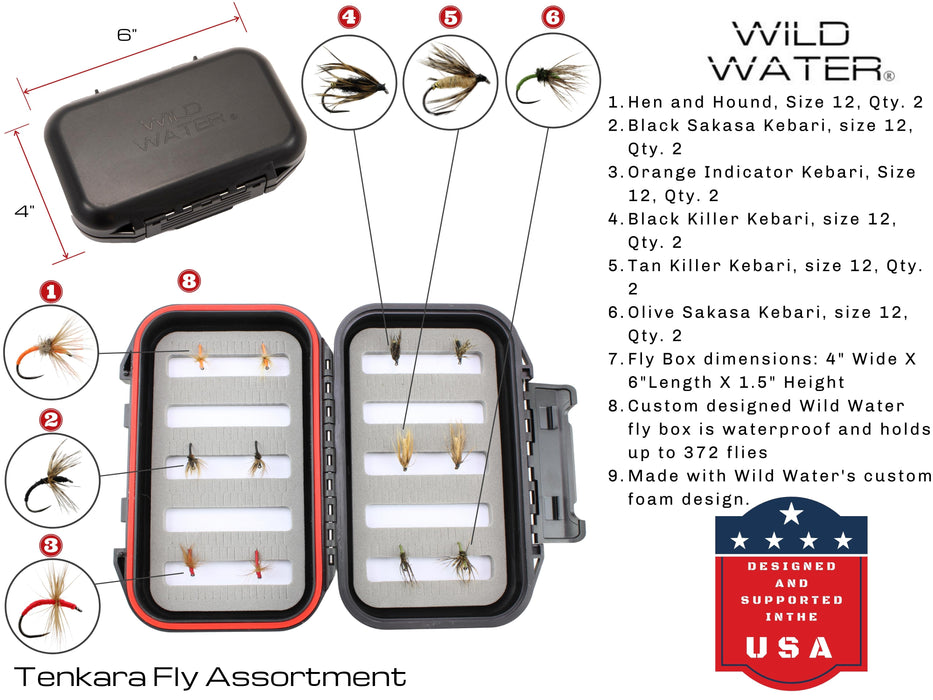
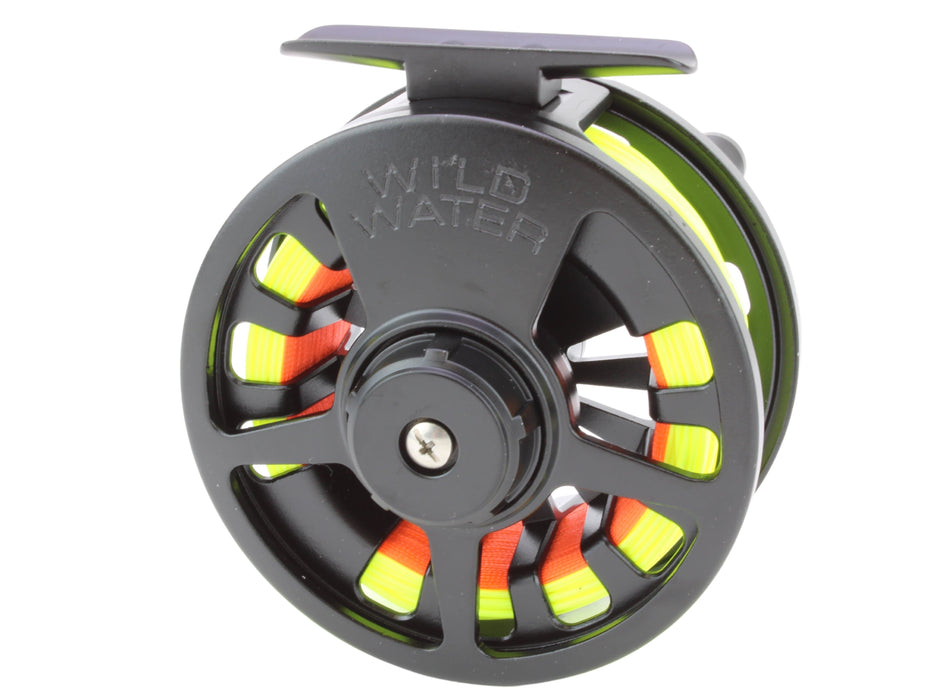
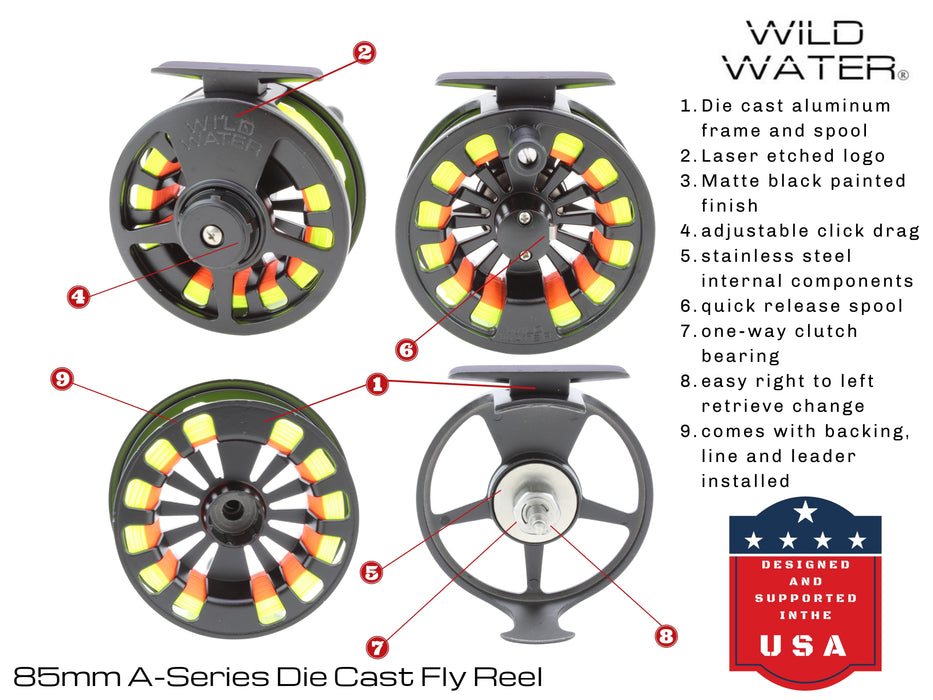
Wild Water's 7/8 weight starter kits include everything needed to fish streamers for trout, bass, and panfish. Pre-assembled wooly bugger assortments eliminate guesswork at the fly shop. Our U.S.-based customer service team helps beginners select the right gear for their local water.
Start with a kit, add a streamer assortment, and you're ready to chase big fish.
FAQs About Streamer Fly Fishing
What color streamer works best in dirty water?
Black, chartreuse, and white produce contrast fish can see in murkier conditions. Adding flash materials to your streamer helps fish locate the fly when visibility drops. Dark colors actually show up better in low-visibility situations than you might expect.
Do streamers work in stillwater and lakes?
Absolutely. Strip streamers along weed edges, drop-offs, and structure where fish set up ambush points. Count down sinking lines to target specific depths where fish are holding. A slow, steady retrieve often works better in still water than the aggressive strips used in rivers.
Why do fish follow my streamer but won't strike?
Speed up or slow down your retrieve to trigger a reaction strike. The change in pace often convinces hesitant fish to commit. You can also try a smaller fly pattern or change colors if fish seem interested but won't eat. Sometimes they want something different than what you're showing them.
Can I fish streamers from the bank without a drift boat?
Yes, wade fishing and bank casting work extremely well for streamers. Target water within 40-50 feet and work systematically downstream to cover productive holding spots. Many of the biggest trout caught on streamers come from anglers working the water carefully on foot.