First-time fly fishers need three things before hitting the water: 15 minutes of backyard casting practice, a basic understanding of where trout hold, and a fly box with dry flies, nymphs, and streamers. Master these fundamentals and you'll catch fish on your first trip instead of spending the day untangling line.
This guide walks you through each step based on real experience helping thousands of beginners get started. We've watched new anglers succeed (and struggle), and the tips here reflect what actually works when you're standing streamside for the first time.
Key Takeaways for Your First Fly Fishing Trip
| Priority | Item | Why It Matters |
|---|---|---|
| Must Have | Fly rod and reel combo | Foundation of your setup |
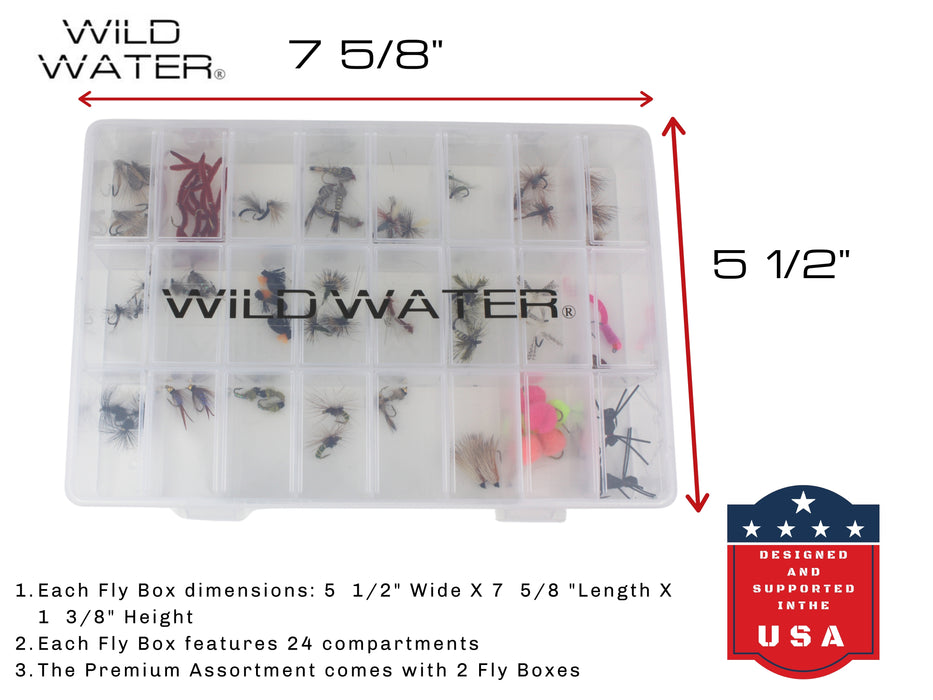
| Must Have | Fly box with assorted flies | Match different conditions |
| Must Have | Fishing license | Required in all states |
| Must Have | Leaders and tippet (3x or 4x) | Connects fly line to fly |
| Recommended | Polarized sunglasses | See fish and protect eyes |
| Recommended | Forceps and nippers | Remove hooks and trim line |
Practice casting at home before your trip. Blank days happen to everyone, so focus on learning and enjoying the water rather than obsessing over fish counts. For a complete gear list, check out our beginner's checklist.
Casting a Fly: Practice at Home and Basic Technique
Most beginner fly fishermen skip backyard practice and struggle when they reach the water. Don't be that person. Spend 15 to 20 minutes practicing before your first trip, and you'll be miles ahead of anglers who try learning everything on the stream.
Here's the good news: you don't need water to practice. Grass works perfectly. Tie a small piece of yarn to your tippet (the thin line at the end of your leader that connects to the fly) instead of a hook, and you can safely practice in your yard without worrying about hooking the neighbor's dog.
The overhead cast is your foundation. Start by lifting your rod to the 1 o'clock position. Pause while the fly line straightens behind you. Then drive forward to 10 o'clock with an abrupt stop. That pause is the part most beginners rush. Wait until you feel the line load the rod before coming forward.
The roll cast works in tight spaces where you can't extend line behind you. It's worth learning early since many trout streams have trees and brush along the banks. You'll use it more than you think. Once you're comfortable with the basics, learn about mending your line to control your drift and practice tying a clinch knot to connect flies to your tippet.

Where to Fish and How to Find Trout
Look for slow moving water with open banks where you can cast without obstacles behind you. Ponds and wide river sections give beginners room to work without constant tangles. Save the tight, brushy creeks for later when your casting improves. Our USA Fly Fishing Destination Library can help you find beginner-friendly spots near you.
Set up your rod and reel at your vehicle so you're ready the moment you reach the water. Then spend 10 to 15 minutes just watching before your first cast. This sounds boring, but it's what separates people who catch fish from people who just wave rods around.
Trout hold in current seams where fast water meets slow water. Why? They conserve energy in the slower flow while food drifts past in the faster current. Look for structure like boulders, fallen logs, and undercut banks. Fish stack up behind these because the water slows down and creates feeding lanes. Our guide on reading water and finding fish covers this in more depth.
Rising trout create visible rings on the surface when feeding. Watch for these before casting. If you spot rises, you know exactly where to put your fly. And always approach from downstream. Trout face into the current, so coming from behind means they won't see you until it's too late (for them, that is).
Matching Your Fly Rod to the Water
A 5 or 6 weight fly rod covers the majority of freshwater trout fishing in the United States. This makes it the ideal weight for beginners who want versatility without buying multiple setups. You can fish small mountain streams and larger rivers with the same rod.

The weight of the fly line should match your rod weight for proper loading during the cast. (When the rod "loads," it bends and stores energy that propels your line forward.) Pair your rod with a floating fly line and 3x tapered leader for most beginner situations. The "x" rating refers to tippet diameter, with lower numbers being thicker and stronger.
Don't overthink gear early on. A matched rod and reel combo gets you fishing faster than piecing together individual components. You can always upgrade later once you know what you actually need. If you want to understand line weights better, our species and line weight chart helps match your setup to target species.
What Flies to Bring and When to Use Them
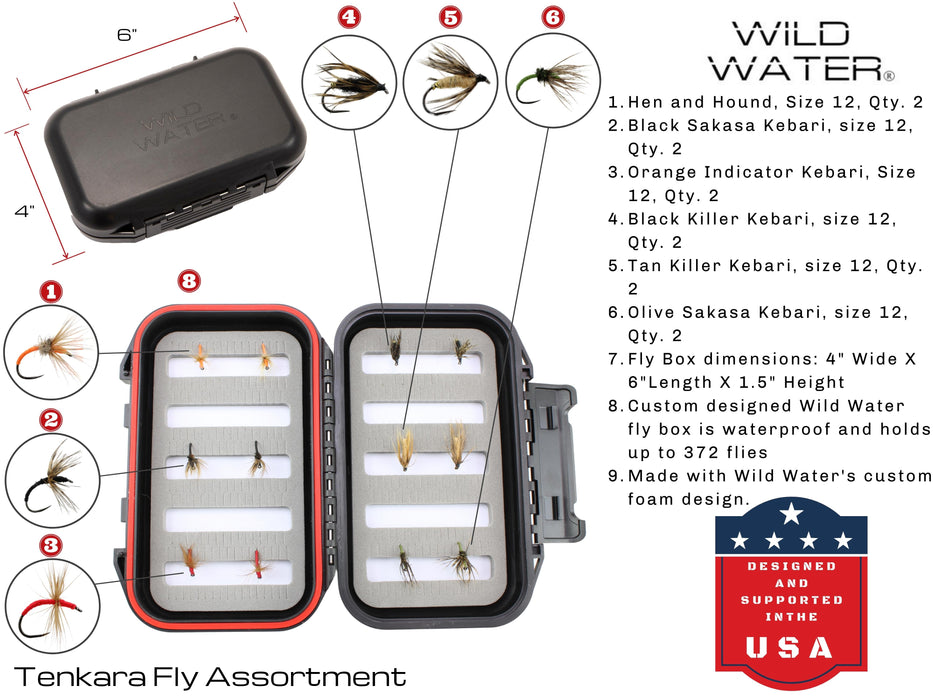
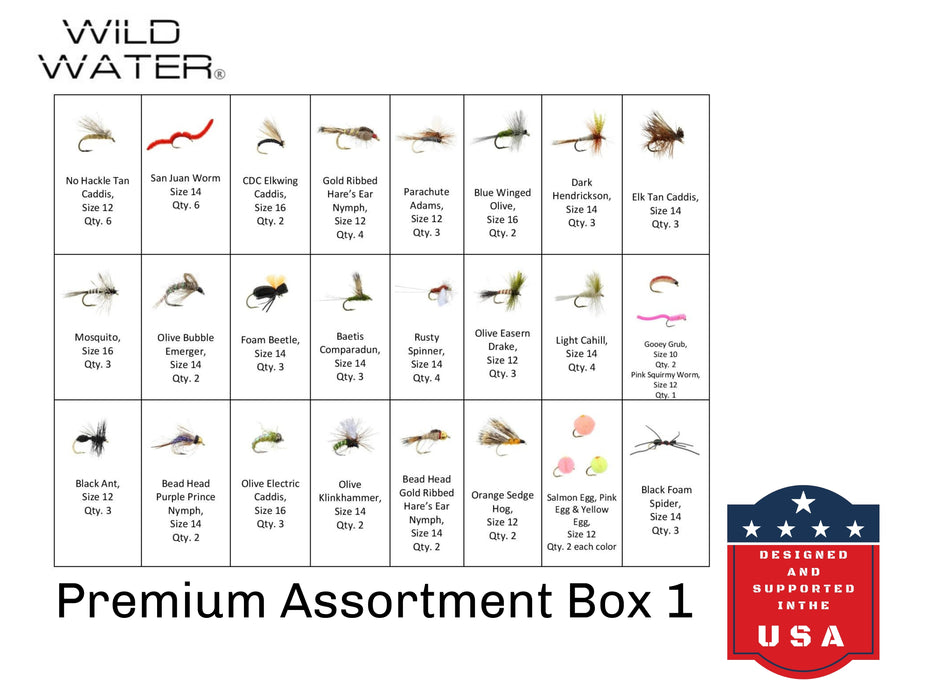
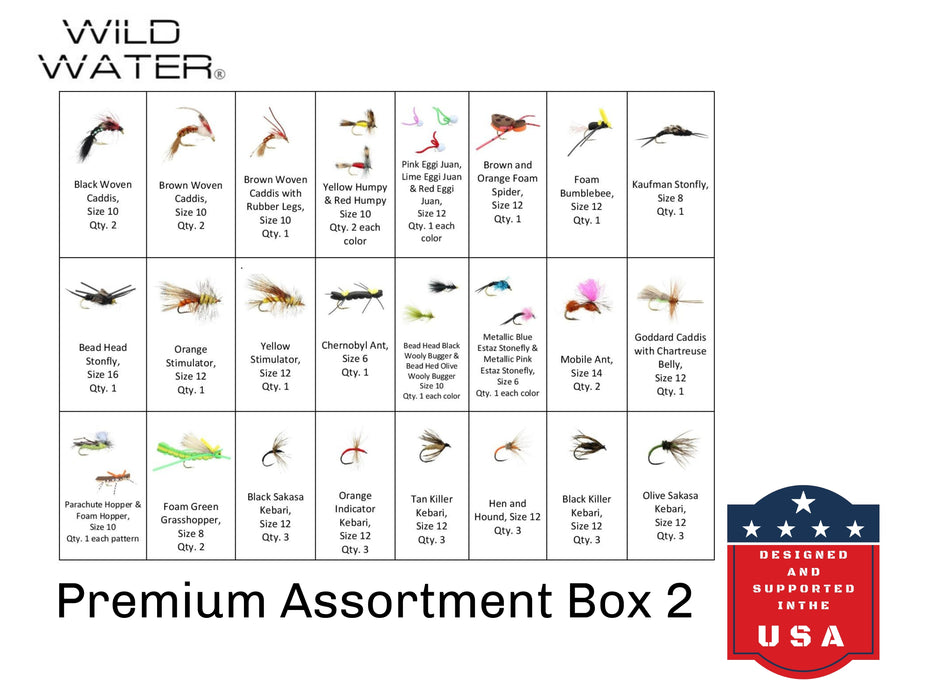
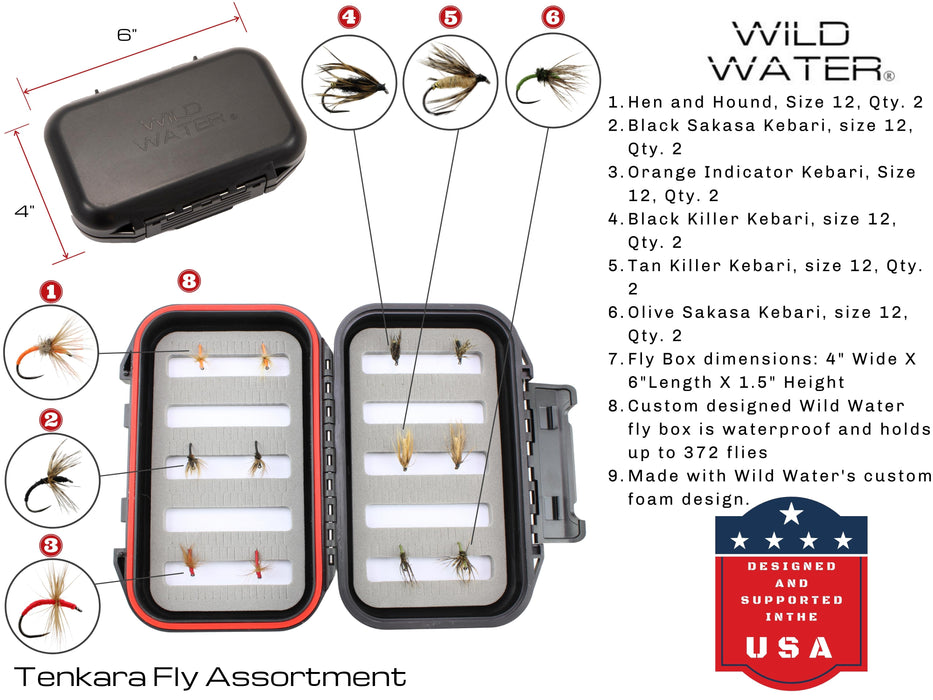
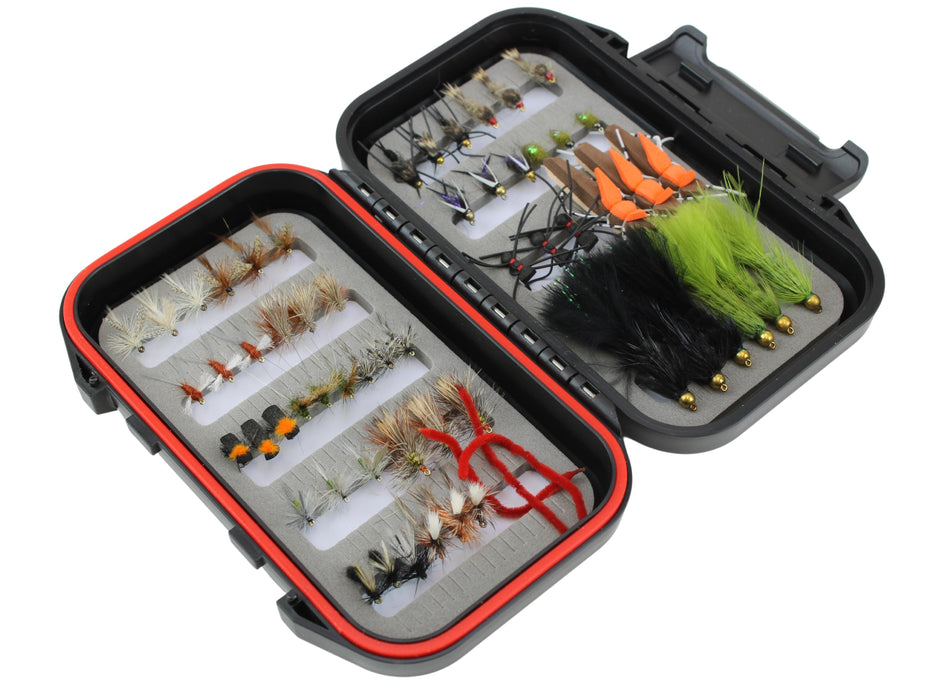
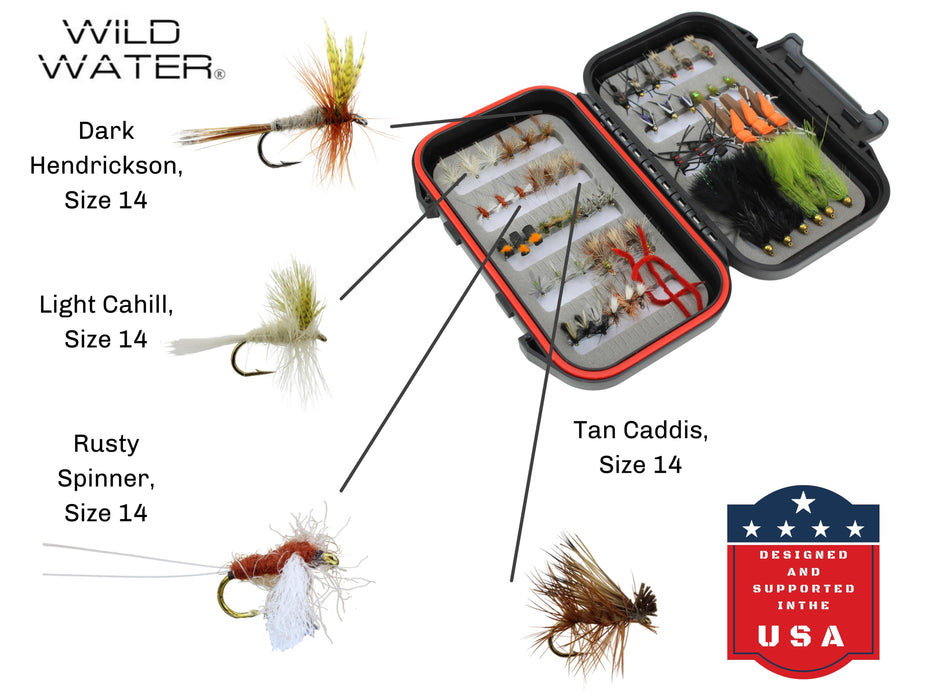
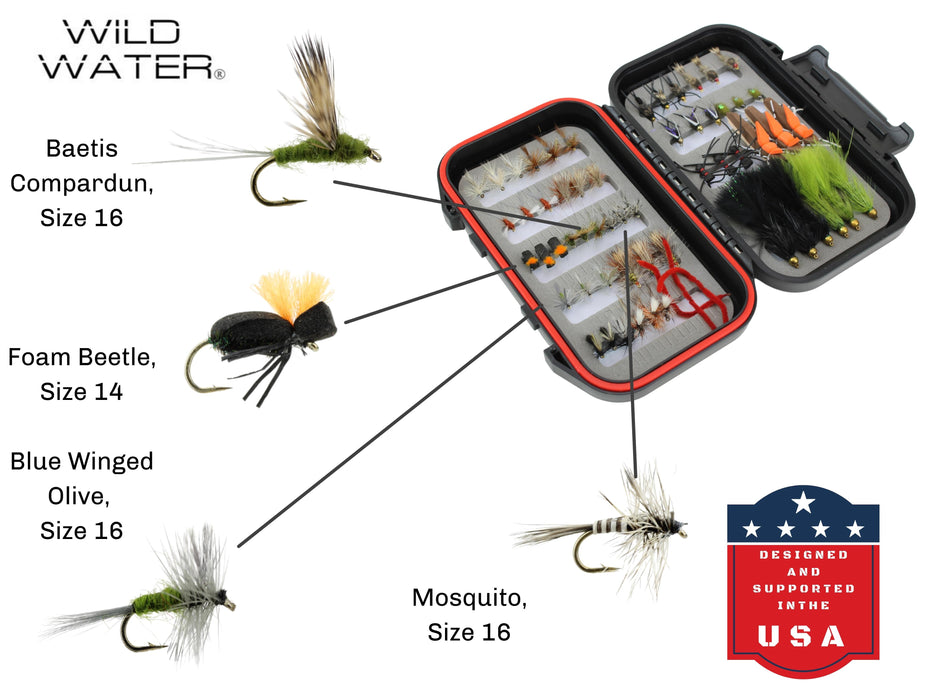
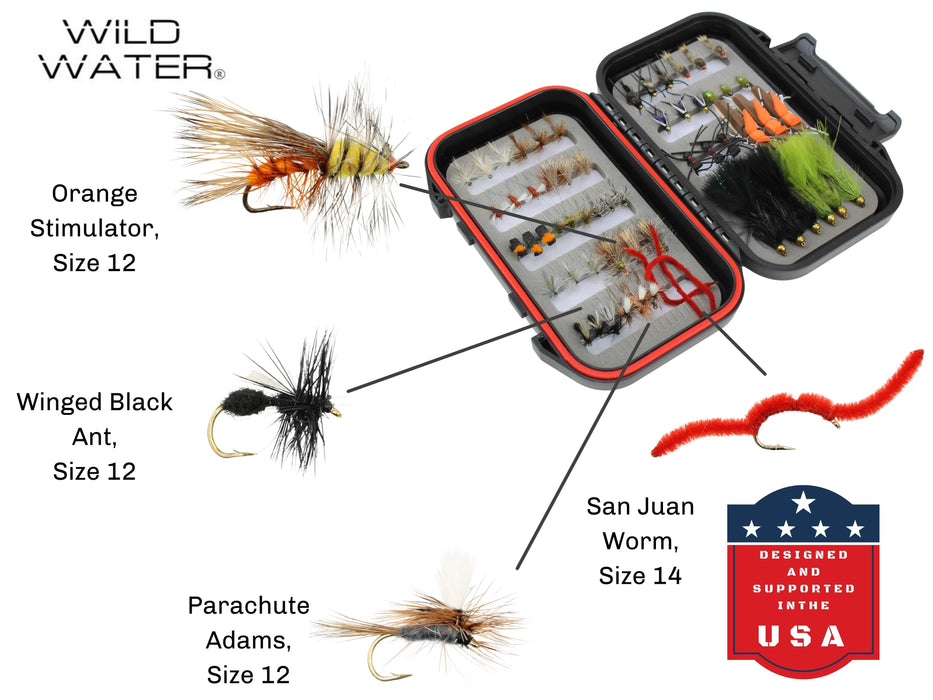
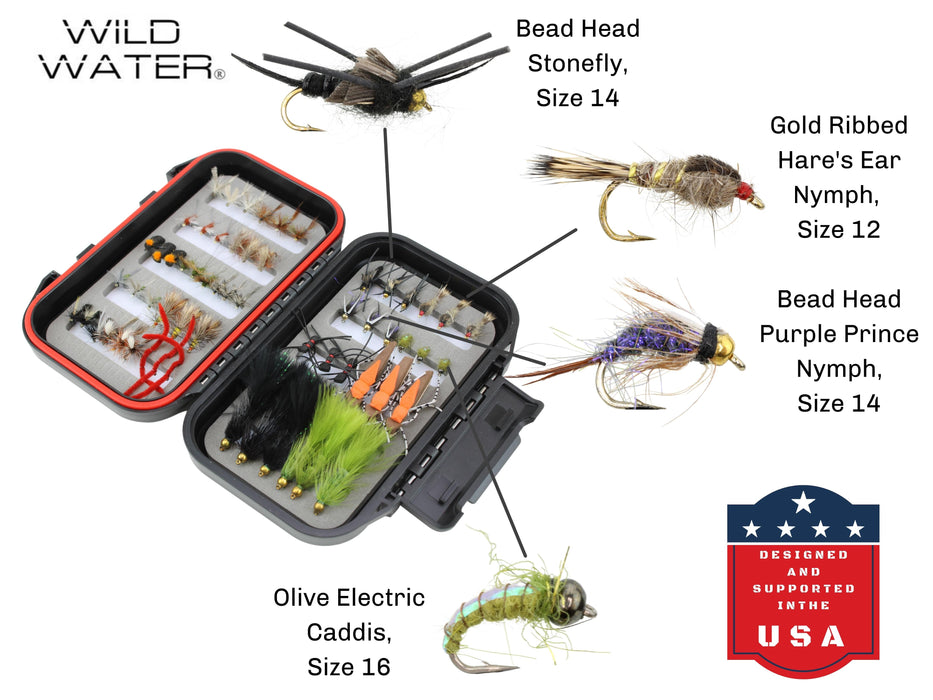
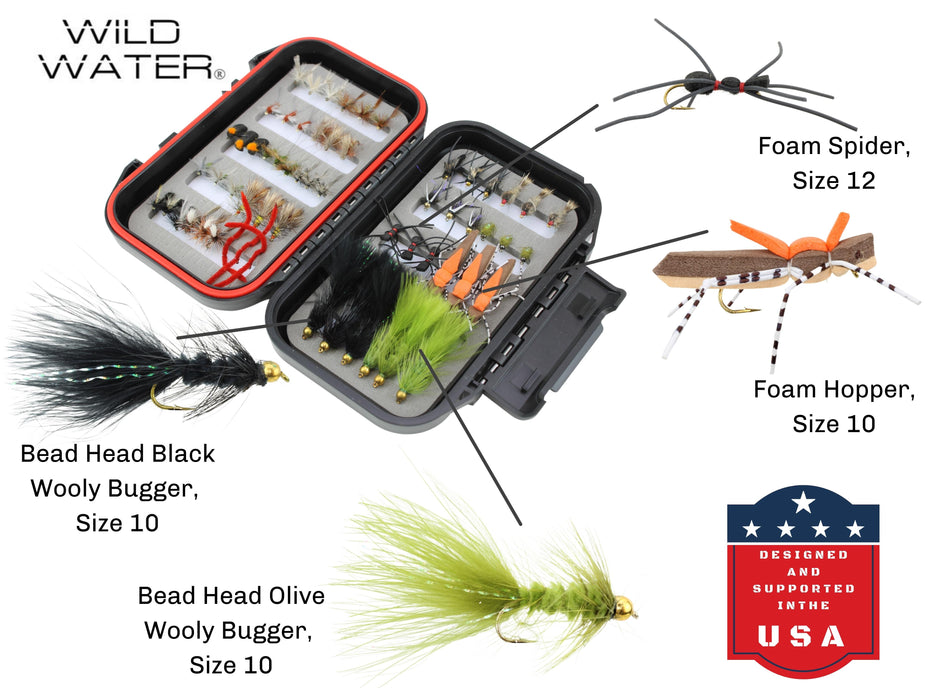
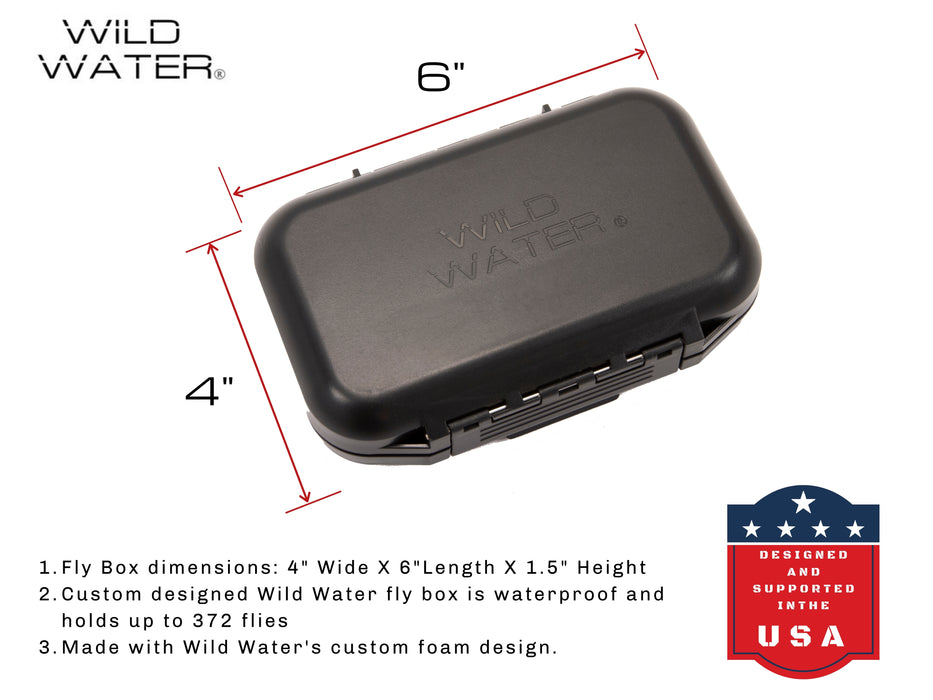
Your fly box needs three categories: dry flies, nymphs, and streamers. Each works best in specific situations, and knowing when to switch between them separates successful anglers from frustrated ones.
Dry Flies for When You See Rising Trout
Dry flies float on the surface of the water and imitate adult insects that fish eat from the top. Mayflies, caddis, and other bugs land on the water, and trout rise to sip them down. When you spot fish rising, it's time to tie on a dry fly.
Essential patterns: Parachute Adams (size 14 to 16) and Elk Hair Caddis (size 14 to 16) cover most hatches you'll encounter as a beginner. Both patterns have been fooling trout for decades. Check out our picks for the best dry flies for trout if you want more options.

Cast upstream and let the fly drift naturally toward the fish without drag. Drag happens when your line pulls the fly faster than the current, making it look unnatural. Fish notice. Learn more about fishing with dry flies to perfect your presentation.
Nymphs for Subsurface Fishing (Where Most Trout Feed)
Here's something most beginners don't realize: trout eat subsurface 80 to 90% of the time. That means nymphs produce more fish than dry flies for most anglers. Nymphs imitate the immature, underwater stage of aquatic insects.
Must have nymph patterns: Pheasant Tail (size 14 to 18), Hare's Ear (size 12 to 16), Prince Nymph (size 12 to 14), and San Juan Worm (size 12 to 14) for high water conditions.
Use a strike indicator (basically a small float) set 1.5 times the water depth. Let your nymph drift naturally near the bottom where trout are holding. Set the hook on any hesitation or twitch of your indicator. Even subtle movement often means a fish. Our guide on fishing with nymphs covers technique in detail.

Streamers for Aggressive Fish and Bigger Water
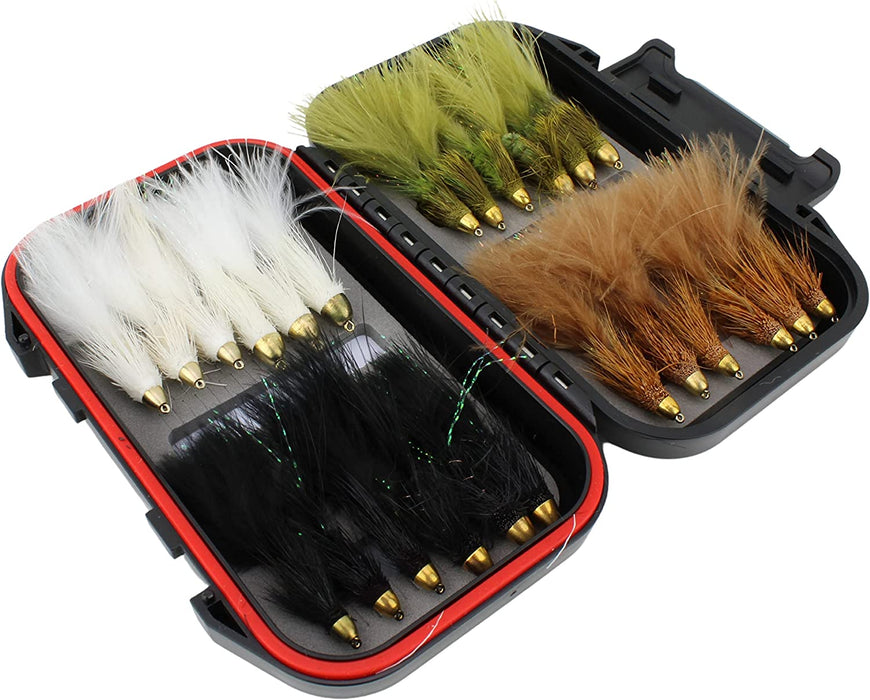
Streamers imitate baitfish, leeches, and crayfish. They trigger aggressive strikes from larger trout that want a real meal, not just a bug. Use streamers when the water is high or murky, or when you want to target bigger fish.
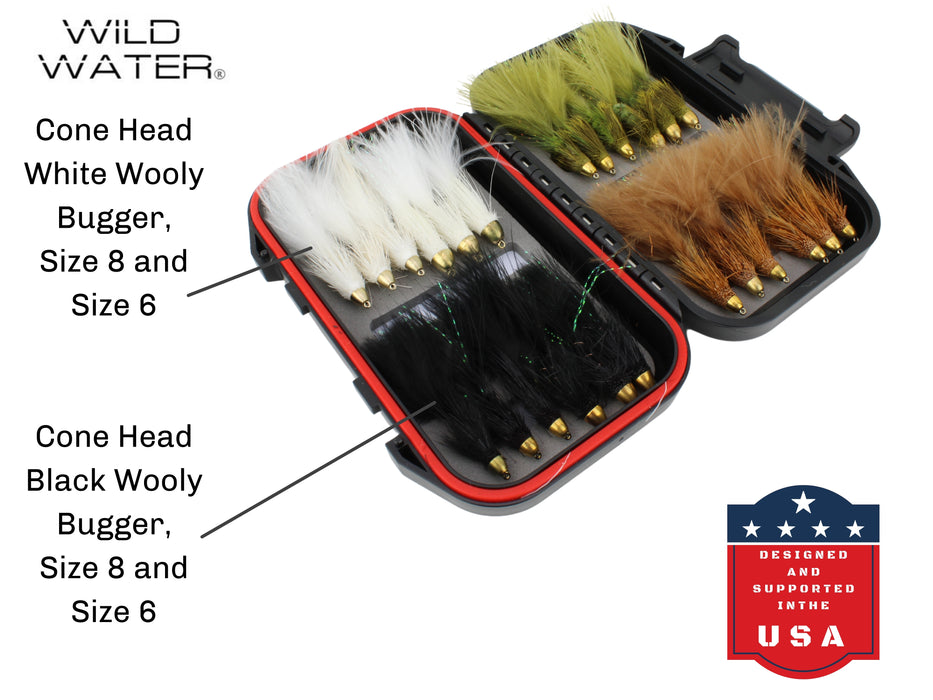
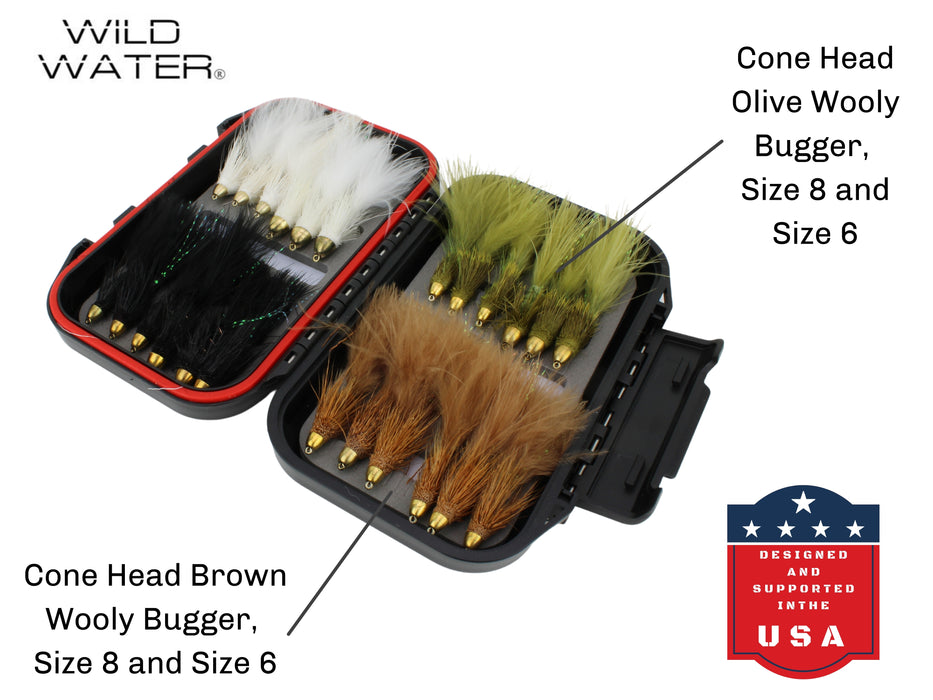
The Woolly Bugger (size 8 to 10 in black, olive, or brown) is the single most versatile streamer pattern. It catches everything from panfish to bass to trout. Keep a few in your box at all times.
Cast across or downstream and strip the fly back with short pulls to create movement. Unlike dry flies and nymphs, streamers work best when they look alive and swimming. Read our full guide on fishing with streamers for more techniques.

How to Match the Hatch
"Match the hatch" means selecting fly patterns that look like what fish are currently eating. It sounds complicated, but it's really just observation.
Check the bottom of the stream, on rocks, and around streamside plants to see what's around. Turn over a few rocks and see what's crawling. That's what the fish are eating.
Your local fly shop can tell you what's hatching right now on specific waters. Call ahead or stop in before your trip. They love talking about bugs and fish. When in doubt and you don't see any visible insect activity, start with a nymph near the bottom. For a deeper look at bug types, explore our guide on different types of flies.
What to Do If You're Not Catching Fish
Getting skunked happens to every fly fisher. I've had days where guides with 30 years of experience couldn't buy a fish. The river doesn't care about your skill level sometimes. Accept that fishless days are part of the sport, and you'll enjoy yourself a lot more.
That said, don't just keep doing the same thing. Change your fly pattern, size, or type every 15 to 20 casts if nothing's biting. Move locations if one spot isn't producing after 30 minutes. Fish move throughout the day, and yesterday's hot spot might be dead today. Our guide on fixing common fly fishing problems covers more troubleshooting tips.
Check your tippet for wind knots (those little tangles that weaken the connection) and inspect your fly to make sure it's not waterlogged or damaged. A soggy dry fly doesn't float right, and trout won't touch it.
Stay confident and keep experimenting. The more time you spend on the water, the faster you'll learn what works. If you're dealing with specific challenges like casting in the wind or getting snagged in trees, we have guides for those too.
Handling Your First Trout the Right Way
Wet your hands before touching any fish. This protects their slime coat, which shields them from infection and disease. Dry hands strip away this protective layer.
Keep trout in the water while removing the hook using forceps. Lifting your rod and the fish out of the water exhausts them faster and reduces survival rates after release. The best fish photos show the fish barely breaking the surface. A good landing net with rubber mesh makes this easier.

Use barbless hooks or pinch down the barbs for easier release and less damage to the fish. Most experienced anglers do this, and some waters require it.
Finally, allow the fish to swim away on its own after a quick photo. Support it gently in the current until it kicks away under its own power. Don't just toss it back.
Start Fly Fishing with Wild Water Beginner Kits
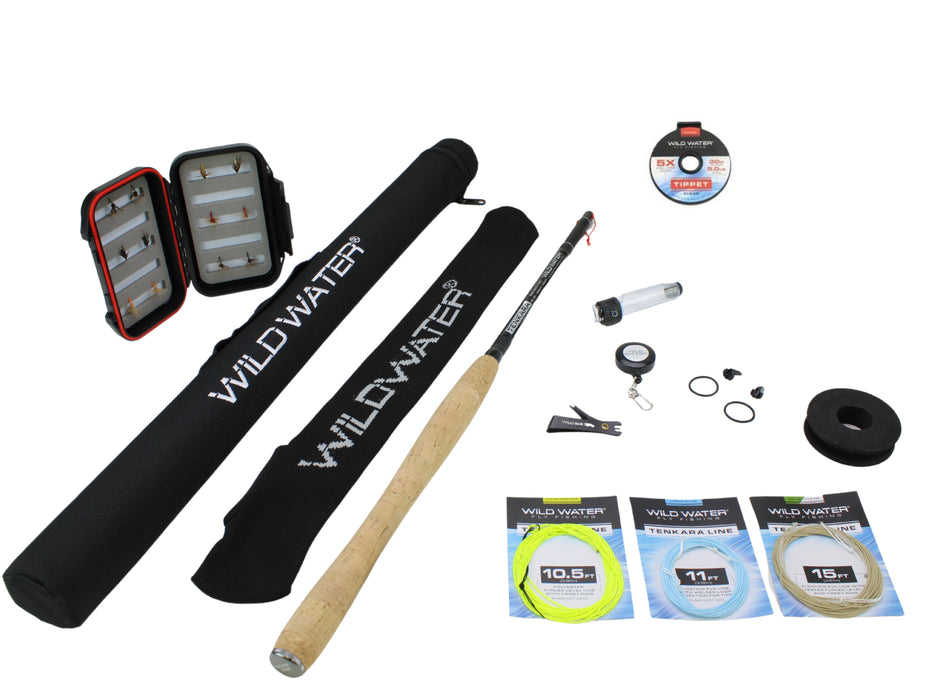
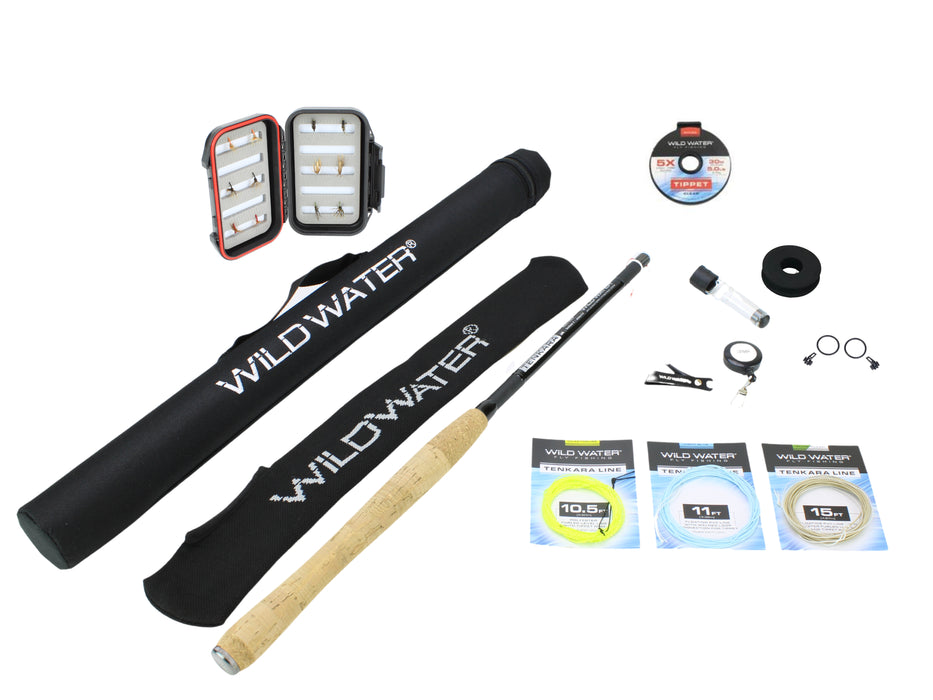
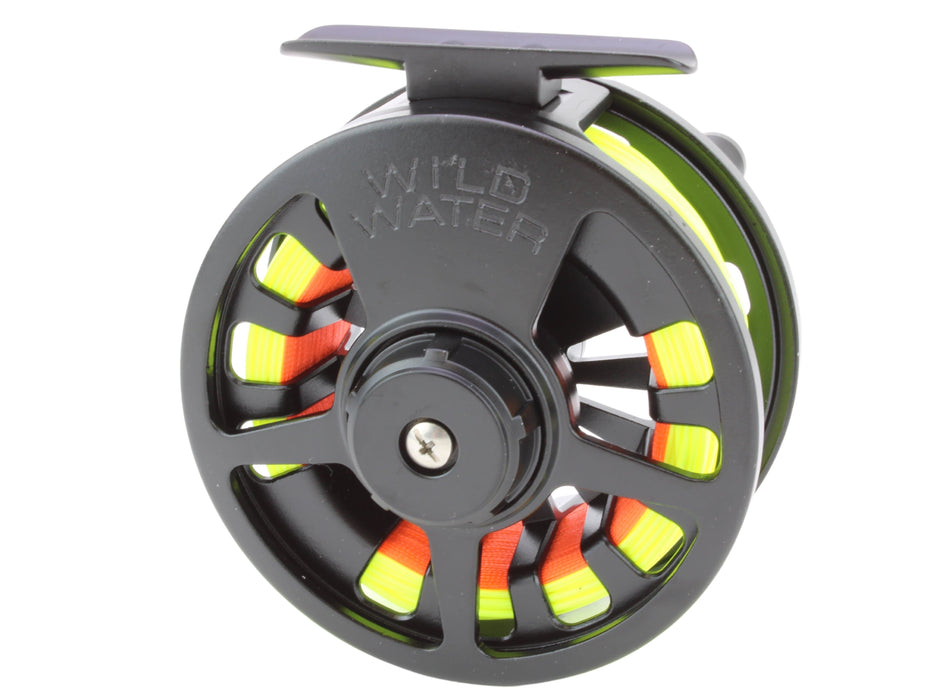
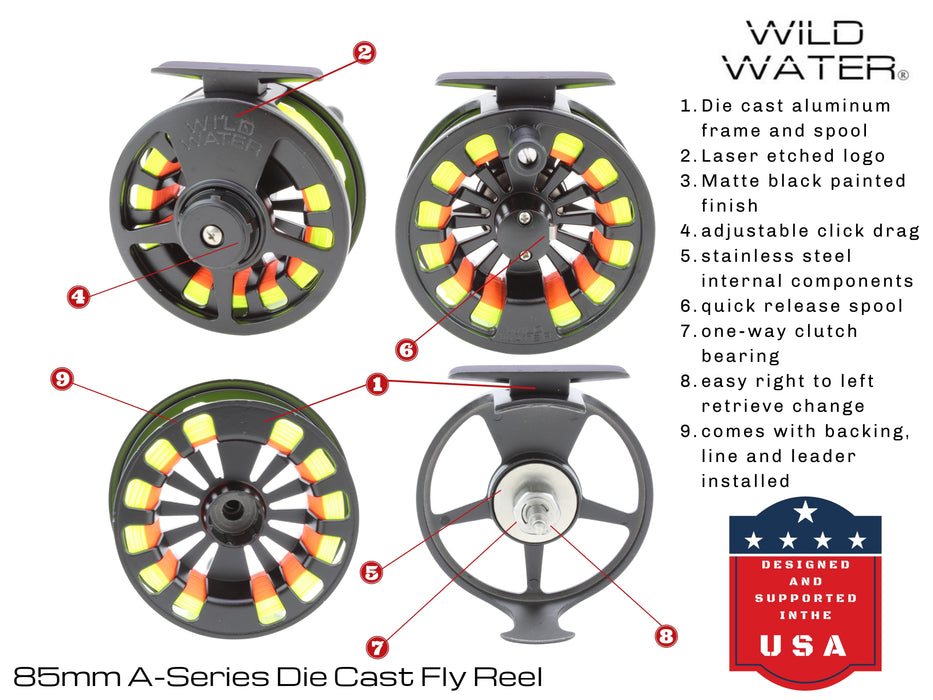
Wild Water starter kits include everything you need to get on the water: fly rod, reel, fly line, leaders, and a curated selection of flies proven to catch fish. Each kit is tested and matched so you don't have to figure out which weight of fly line pairs with which rod. The guesswork is already done.
U.S. based customer support is available at 585-967-3474 if you have questions about setup or your first trip. We actually answer the phone and love helping new anglers get started.
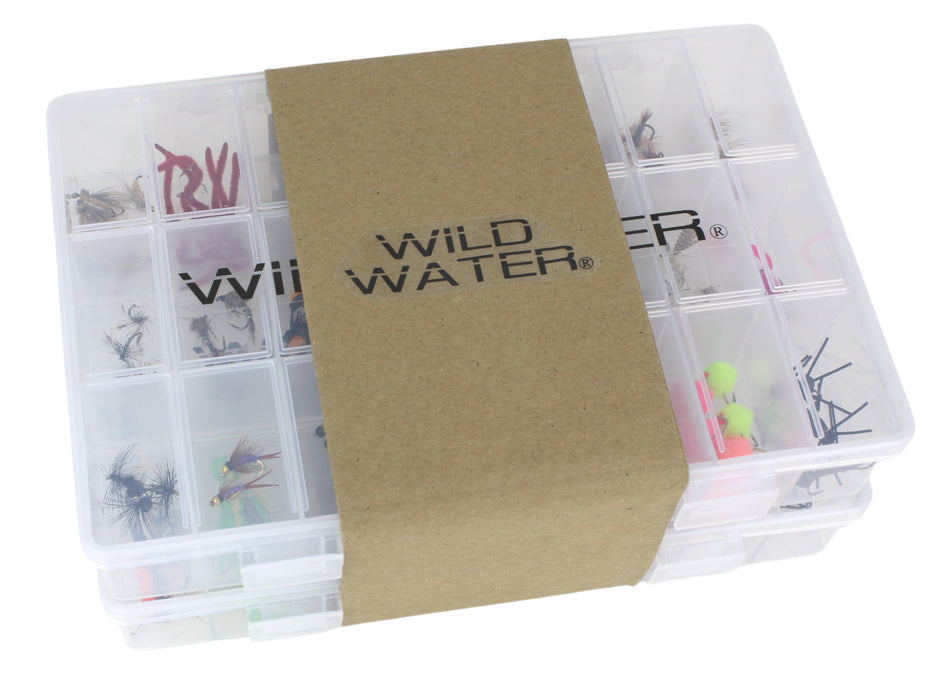
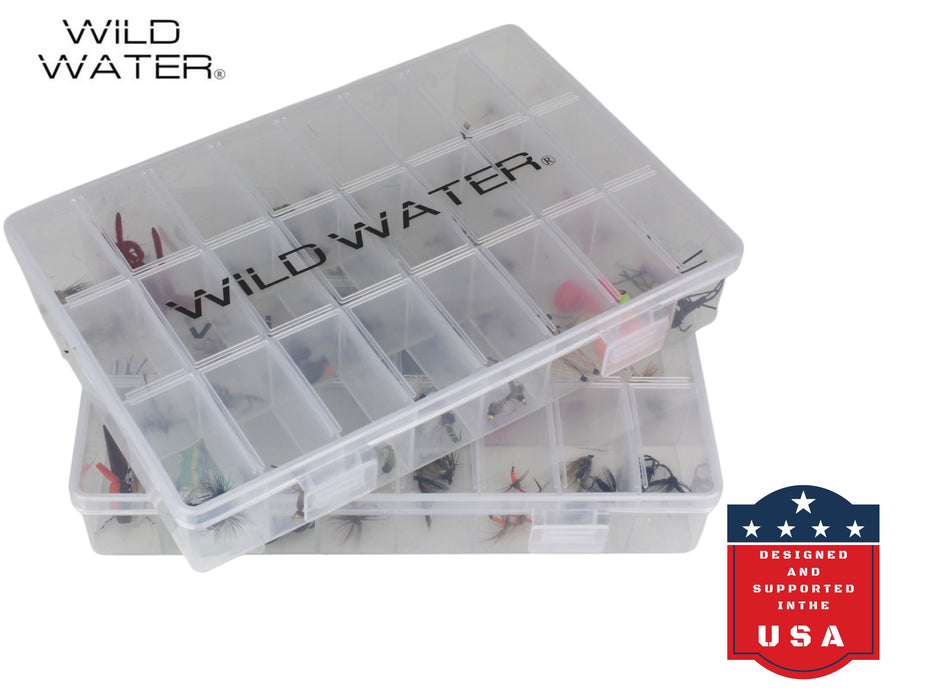
Browse curated fly assortments with proven patterns for trout, bass, and panfish. They work right out of the box. If you're targeting trout specifically, check out our trout fly fishing kits or 5 weight fly fishing kits for the most versatile beginner setups.
FAQs About First Time Fly Fishing
What fishing license do I need to fly fish?
Every state requires a fishing license for anglers over a certain age, typically 16. Purchase online through your state's fish and wildlife website before your trip, and check local regulations since some waters require additional stamps or permits for wild trout.
Should I hire a guide for my first fly fishing trip?
A guide accelerates your learning curve by teaching you to read water and select flies on unfamiliar streams. Half day trips typically run $150 to $250, but your local fly shop can offer free advice on nearby waters and current hatches if budget is a concern.
What's the best time of day to fly fish for trout?
Early morning from 5 to 9am and evening from 6 to 9pm produce the most consistent action because insects are most active during these windows. Overcast days often extend feeding windows, while summer midday heat pushes trout deeper where nymphs become more effective.
Do I need waders for my first trip?
No, you can fish effectively from the bank on many trout streams and ponds without getting wet. Waterproof boots or sandals work fine for shallow water access on warm days, and starting without waders lets you focus on casting before adding the complexity of wading.