Most anglers catch fish within their first 3 trips when they develop 8 core skills in order. Each technique supports the next, taking you from tentative first casts to confidently reading water, choosing flies, and presenting them where fish feed.
You'll learn when to use each technique, how to practice it, and why it works. These fundamentals apply everywhere water flows and fish feed, from chasing trout in mountain streams to bass in farm ponds.
1. Casting Basics: The Foundation of Fly Fishing
A basic fly cast propels a nearly weightless fly 20-30 feet to your target using the weight of the fly line. The overhead cast (backcast, pause, forward cast) is the foundation skill every angler must learn first. Develop accuracy at this distance and you'll catch 80% of accessible trout in streams and small rivers.
When to Use This Skill
- Small to medium streams (10-40 feet wide)
- Bank fishing on ponds and lakes
- Placing flies near structure (logs, boulders, undercut banks) or feeding lanes
- Wind conditions under 10 mph (for learning)
60-Second Practice Drill
Setup: Strip out 20 feet of line on grass, attach a practice fly (no hook)
- Backcast: Lift your rod to 1 o'clock, pause when line straightens behind you
- Forward cast: Drive to 10 o'clock, stop crisply, let line shoot forward
- Repeat 10 times: Focus on the pause as you'll feel the line load the rod
The pause is critical. Count "one-thousand-one" during your backcast and watch your line straighten behind you before starting the forward stroke. Rushing this timing causes your line to collapse and the fly to land short.
Success metric: Your fly lands within 2 feet of a paper-plate target 7 out of 10 casts.
Spend 15 minutes practicing on grass before your first trip. Backyard practice pays off when you land that first rainbow.
Recommended kit: Wild Water 5-wt Beginner Combo

Why it works: Medium-fast action rod loads easily at short distances and forgives timing errors. Every component is tested to work together with no guesswork.
Includes: Rod, reel, weight-forward line, tapered leader, starter flies, protective case
2. Fishing with Dry Flies: Match the Surface Hatch
Dry flies float on the surface and imitate emerging insects (mayflies, caddisflies, midges, terrestrials). When you see rises (fish breaking the surface), dry fly fishing becomes the most exciting way to target trout.
When to Use Dry Flies
- Visible rises: Multiple surface disturbances within 50 feet
- Insect activity: Mayflies, caddis, or midges flying near the water
- Water clarity: Good visibility (3+ feet) so fish can see the surface
- Water temperature: 50-70°F when trout species (rainbow, brown, brook) are actively feeding
Presentation Technique
- Position upstream or across from rising fish (30-40 feet away)
- Cast 2-3 feet above where you saw the rise (not directly on it). Let your fly drift naturally into the feeding lane before your leader arrives. Fish that see your line first will spook and stop feeding.
- Mend to create a drag-free drift (we'll cover mending technique in detail later)
- Watch your fly like a hawk by setting the hook on any disturbance near it
- Set with a strip-set: Pull line with your line hand, not just lift the rod
Top 3 dry fly patterns:
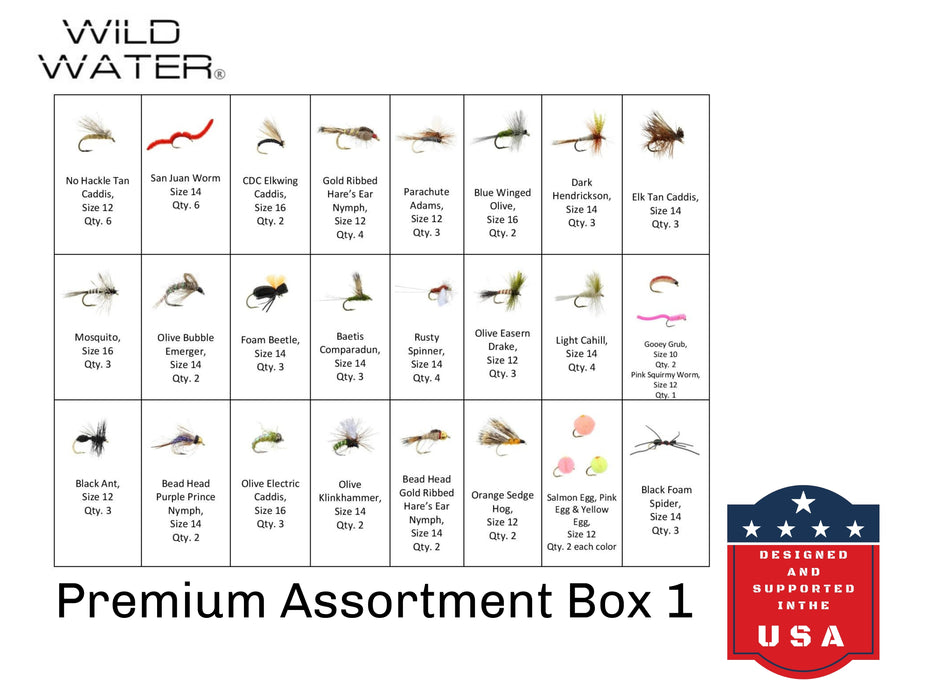
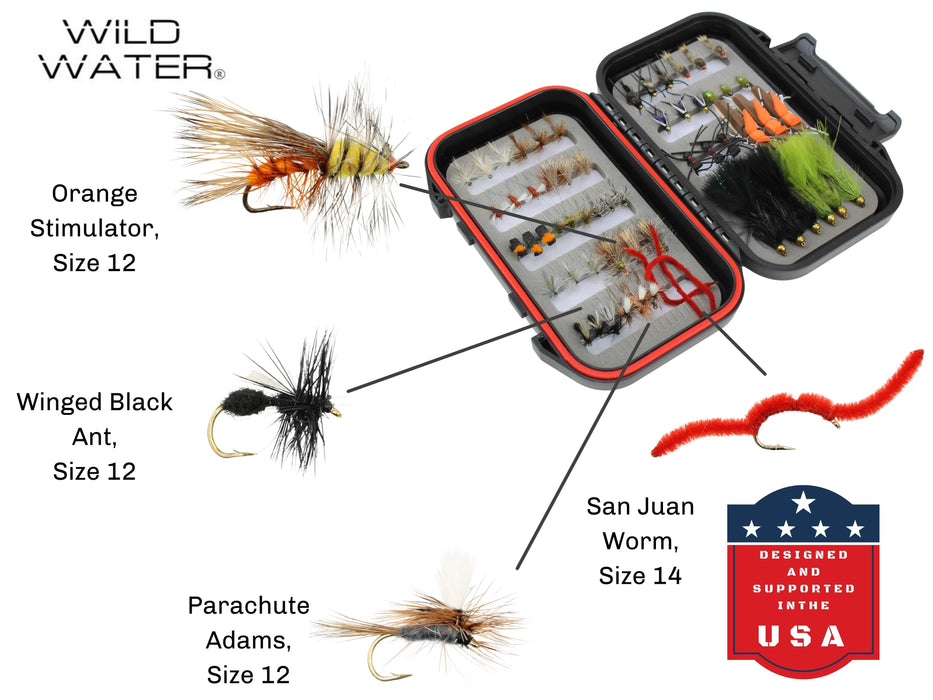
- Parachute Adams (size 14-16): all-purpose dry fly for mayfly hatches
- Elk Hair Caddis (size 14-18): effective during evening hatches when caddisflies emerge
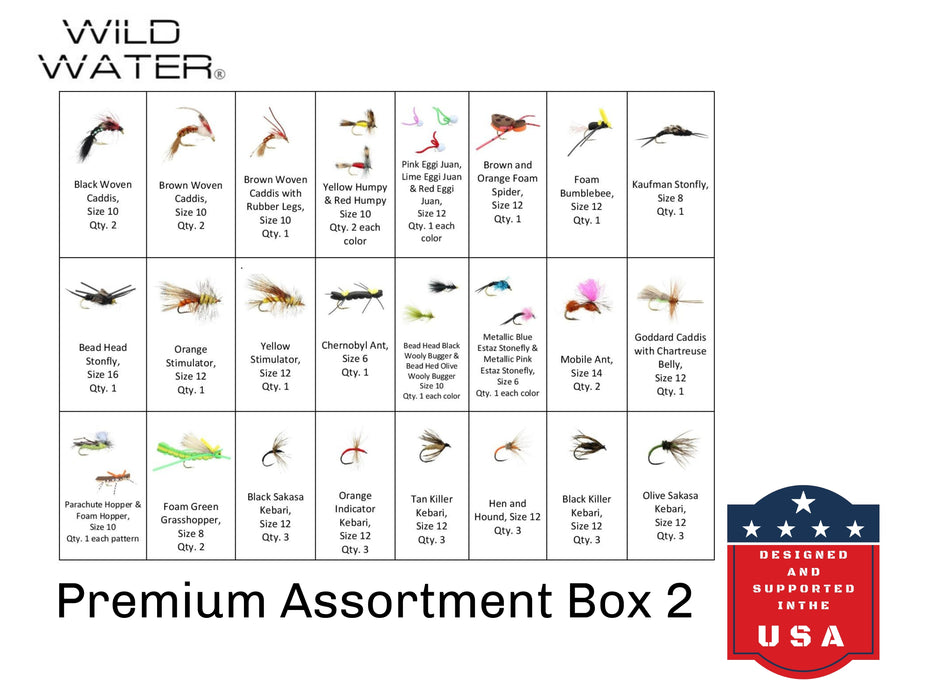
- Stimulator (size 10-12): bigger water, low light conditions, attractor pattern
Understanding when to fish dry flies versus wet flies is one of the most important decisions you'll make on the water. To dive deeper into the tactical differences between surface and subsurface presentations, explore this guide comparing dry flies vs wet flies.
3. Topwater Bass Fishing: Explosive Strikes on the Surface
Topwater bass fishing uses floating poppers and diving bugs that create surface commotion to trigger aggressive strikes. Bass attack topwater flies with explosive hits you can see, making it the most thrilling way to catch largemouth and smallmouth bass in ponds, lakes, and slow rivers.

When to Use Topwater Flies
- Prime feeding times: Early morning and evening when bass cruise shallow water hunting for baitfish and frogs
- Water temperature: 65-80°F when bass are most active in the shallows
- Calm surface conditions: Light wind or no wind, bass locate your fly by sound and splash
- Structure nearby: Lily pads, downed logs, weed edges, dock pilings
Retrieve Technique
- Cast near structure (within 1-2 feet of lily pads, logs, or grass lines)
- Let your popper sit motionless for 3-5 seconds after it lands
- Pop once: Sharp 6-inch strip that creates surface disturbance
- Pause 2-3 seconds and watch your fly. Count to three during every pause. This gives bass time to locate and commit to your fly. Popping too fast moves the fly away before bass can attack.
- Repeat the pop-pause sequence 4-5 times before recasting
- Set hard on the strike: Bass have tough mouths; use a strong strip-set
Top 3 bass poppers:
- Deer Hair Bass Bug (size 2): classic frog imitation for thick cover
- Foam Popper (size 4-6): easier to cast, durable, works in open water
- Boogle Bug (size 2-4): creates maximum splash for aggressive strikes
The explosion of a bass hitting a popper can startle you. You won't forget that feeling.
4. Nymphing: Fishing Below the Surface
Nymphs imitate immature aquatic insects (mayfly nymphs, caddis larvae, stonefly nymphs) that live underwater. Trout eat subsurface insects 80-90% of the time. When you don't see surface rises, nymphing becomes your most productive technique.

When to Use Nymphs
- No visible surface activity: Fish aren't rising but you know they're present
- Extreme water temperatures: Cold water (below 50°F) or hot water (above 70°F) when trout hold deep and conserve energy
- Overcast days or heavy insect hatches: Trout feed but stay subsurface
- Fast or pocket water: Current breaks insects loose from the bottom
Dead-Drift Nymphing Technique
- Add split shot 12-18 inches above your fly to get your nymph near the bottom
- Attach a strike indicator 1.5× the water depth above your fly (3-foot depth = 4.5-foot indicator placement). Most strikes happen within 6-12 inches of the bottom. If your indicator never goes under, add more weight or adjust deeper.
- Cast upstream at a 45-degree angle so your fly sinks before reaching the fish
- Mend to eliminate drag as your indicator should float naturally downstream
- Watch your indicator: Any pause, twitch, or dip = set the hook immediately
- High-stick through the drift: Keep most fly line off the water by raising your rod tip
Productive nymph patterns:
- Pheasant Tail Nymph (size 14-18): mayfly imitation, works everywhere
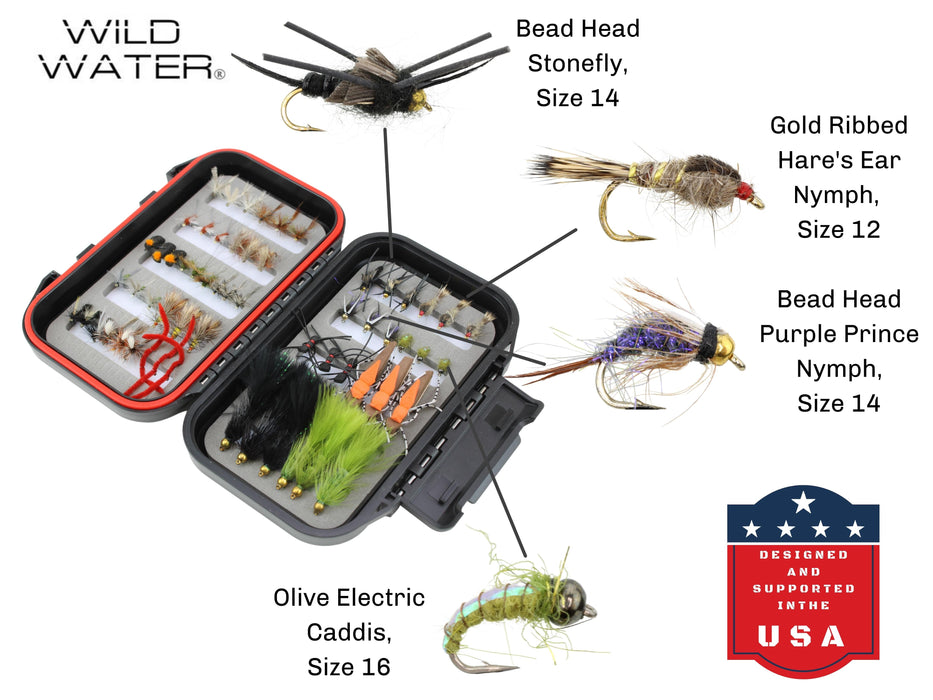
- Hare's Ear Nymph (size 12-16): general caddis/mayfly pattern, proven producer
- Prince Nymph (size 10-14): attractor pattern for bigger trout in fast water
- Copper John (size 14-18): weighted nymph that sinks fast in deep runs
Pro tip from 30 years on the water: Most anglers fish their nymphs too shallow. When in doubt, add more weight. You want to tick the bottom occasionally. That's where the fish are.
5. Streamer Fishing: Target Bigger, Aggressive Fish
Streamers imitate baitfish (minnows, sculpins, leeches) and trigger predatory strikes from larger, aggressive fish. This active technique covers water fast and targets trophy-sized trout, bass, and pike that prefer protein-rich meals over insects.

When to Use Streamers
- Spring and fall: Trout actively feed on baitfish to build fat reserves
- High or off-color water: Visibility is low, so fish rely on vibration and movement
- Larger rivers and lakes: Streamers excel where baitfish populations are high
- Trophy hunting: Streamers consistently catch fish 14-20+ inches
Active Retrieve Technique
- Cast across and slightly downstream at a 45-60 degree angle
- Let your streamer swing in the current for 2-3 seconds
- Strip in 6-12 inch pulls: Vary your retrieve speed—fast, slow, erratic. Change your retrieve every 3-4 casts to find what triggers strikes. Match the energy of the baitfish you're imitating.
- Pause briefly between strips: Strikes often happen when the streamer "dies"
- Fish the swing to your bank: Don't pick up until your line is straight downstream
- Set hard: Big fish mean strong strip-sets
Essential streamer patterns:
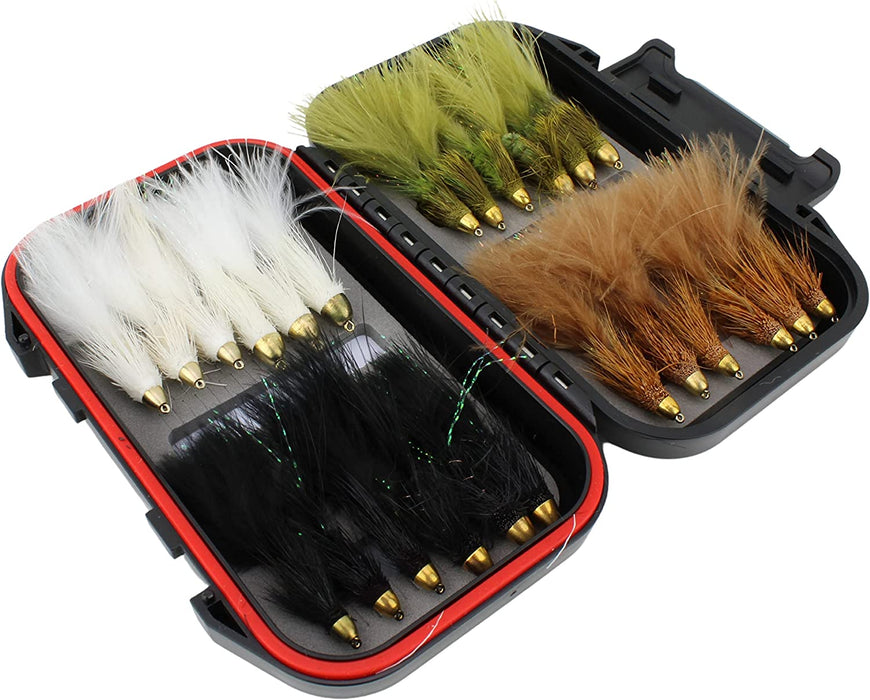
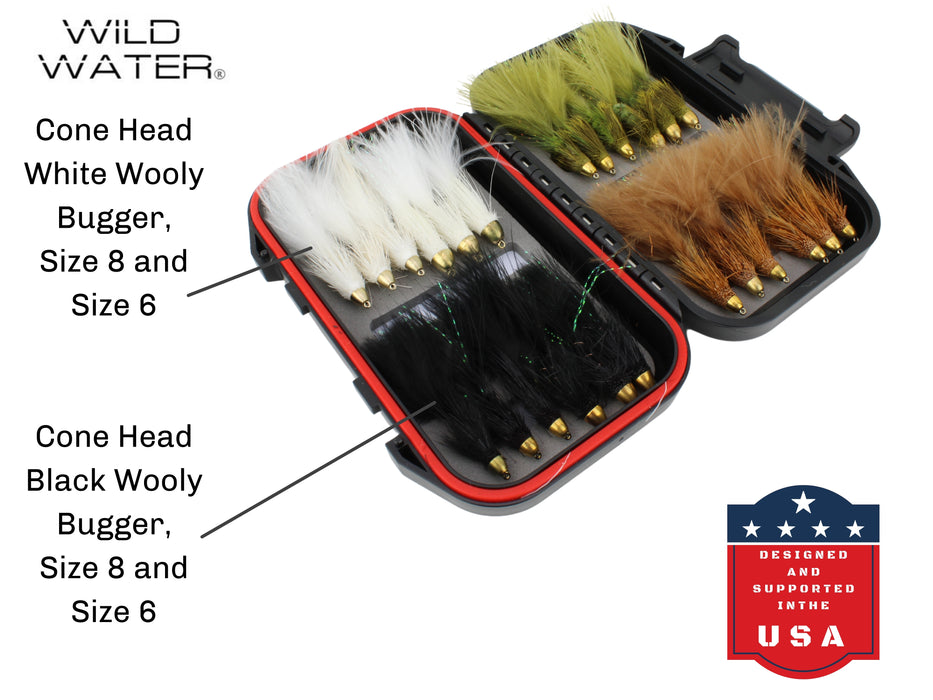
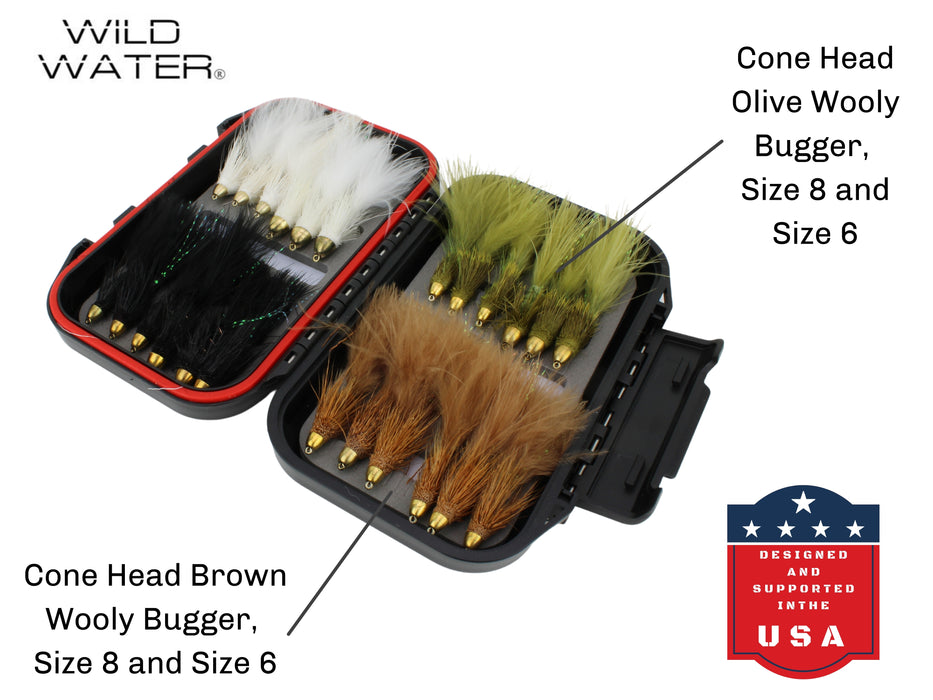
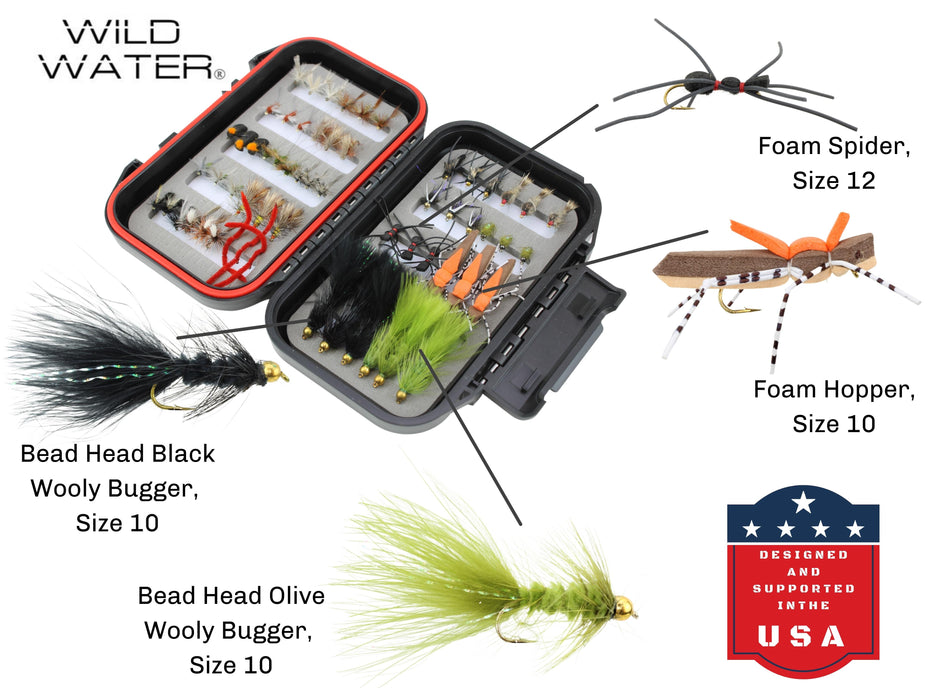
- Woolly Bugger (size 6-10, black, olive, brown): the most versatile streamer ever designed
- Clouser Minnow (size 4-8): weighted pattern for deep water and saltwater
- Muddler Minnow (size 6-10): sculpin imitation for trout rivers
- Zonker (size 4-8): rabbit fur creates lifelike swimming action
Big brown trout hit black Woolly Buggers on cold October mornings. One day with streamers will teach you where the real giants hide.
6. Mending Your Line: Control Your Drift
Mending removes unwanted drag by repositioning your fly line on the water after your cast. The current pulls your line downstream faster than your fly, creating tension that makes your fly move unnaturally. Mending eliminates that problem and extends your drift by 50-100%.
When to Mend
- Every dry fly presentation, especially in water with multiple current speeds
- All nymph fishing—a drag-free drift is critical for fooling trout
- Whenever you see your line belly downstream—the curve indicates drag
Upstream Mend Technique
- Cast upstream at a 45-degree angle to your target
- Immediately after landing: Lift and flip your rod tip upstream in a half-circle. Mend right away before the current creates a belly. Waiting too long moves the fly and spooks fish.
- Move only the line, not the fly: Create an upstream curve in your line using a gentle flip of your wrist, not a sweeping arm motion
- Repeat every 2-3 seconds as the current pulls your line downstream
- Keep your rod tip high: Keep excess line off the water
Practice this skill: Spend 10 minutes casting on moving water with a piece of bright yarn instead of a fly. Watch how your mends affect the drift. You'll see instantly when you execute properly.
7. Reading Water: Find Where Fish Hold
Reading water means identifying current seams, depth changes, and structure where fish hold to conserve energy while staying near food. This skill separates anglers who randomly cast from those who catch fish consistently. Target high-probability water instead of covering random areas.
Where Trout Hold (in order of priority)
- Current seams: The line where fast water meets slow water (trout sit in the slow side and dart into the fast side to grab food)
- Behind boulders: The cushion of slow water directly downstream provides shelter and steady food delivery
- Undercut banks: Overhead cover protects fish from predators while giving access to drifting insects
- Deep pools and runs: Depth provides safety and cooler water temperatures in summer
- Riffles: Shallow, fast water where insects emerge (most productive at dawn and dusk)
How to Approach a New Stream
- Stand 20-30 feet back from the water and observe before you wade
- Look for visible rises or surface disturbances
- Identify current breaks where fish can hold without fighting the flow
- Fish the closest water first before wading into productive areas. Most anglers wade past their best opportunities by stepping into prime holding water before fishing it.
- Work upstream so you approach from behind as fish face into the current
Field exercise: Next time you're at the water, spend 5 minutes just watching. Where does the current slow down? Where do bubbles collect? Where would you hold if you had to catch drifting food while avoiding hawks? That's where the fish are.
8. Fly Selection: Match Conditions to Patterns
Fly assortments and selection mean choosing patterns based on insect activity, water conditions, and fish behavior. Not randomly grabbing something from your box. Match what fish are eating (or what triggers them to strike) and you'll hook 3× more fish than anglers fishing the wrong fly.

The 3-Question Selection System
Question 1: Are fish actively feeding on the surface?
- YES → Start with dry flies that match the size and color of insects you see
- NO → Move to subsurface patterns (nymphs or streamers)
Question 2: What's the water clarity?
- CLEAR (4+ feet visibility) → Natural colors (tan, brown, olive, black)
- STAINED (1-3 feet visibility) → Brighter colors (chartreuse, white, pink) or attractor patterns
- MUDDY (under 1 foot visibility) → Large, dark streamers with lots of movement
Question 3: What's the fish's mood?
- ACTIVELY FEEDING → Match the hatch with realistic imitations
- NEUTRAL → Use attractors (Stimulator, Royal Wulff, Prince Nymph)
- LETHARGIC → Downsize your fly and slow your presentation
Active problem-solving catches fish. If you get no action after 15-20 casts, change something. Switch fly size, color, or type. Adjust your depth or retrieve speed.
Beyond the fundamentals covered here, explore these comprehensive fly fishing tips for advanced pattern selection strategies and situational adjustments that help you solve tough fishing puzzles.
Seasonal Fly Selection Guide
Spring (March-May):
- Nymphs (Pheasant Tail, Hare's Ear) in sizes 14-18
- Dark streamers (black, brown Woolly Buggers) in sizes 6-10
- Midges (size 18-22) on sunny days
Summer (June-August):
- Dry flies during morning/evening hatches (Adams, Elk Hair Caddis) in sizes 14-18
- Terrestrials (hoppers, ants, beetles) in sizes 10-16
- Nymphs during midday heat
Fall (September-November):
- Large streamers (size 4-8) for aggressive, pre-winter feeding
- Attractor nymphs in sizes 10-14
- BWOs (Blue-Winged Olives) on overcast days
Winter (December-February):
- Small nymphs (size 16-20) fished slowly
- Midges and eggs in sizes 14-18
- Focus on slow, deep pools
Fly Fishing Basics FAQs
What's the best time of day to fly fish?
Dawn and dusk offer the most consistent action. Insects are most active during these periods, triggering feeding behavior. Midday can be productive in spring and fall, but summer midday fishing requires nymphs in deeper, cooler water.
Do I need waders to fly fish?
No. You can fish many productive waters from the bank. Waders give you access to more water and better casting angles, but aren't necessary initially. Start with waterproof boots or sandals and focus on technique before investing in waders ($100-400).
What's the difference between wet flies and dry flies?
Dry flies float on the surface and imitate adult insects (mayflies, caddis, terrestrials). Wet flies sink below the surface and imitate nymphs, emergers, or drowned insects. Nymphs and streamers are wet flies since they fish subsurface. Dry flies offer more visual excitement, but subsurface flies catch more fish consistently.
Where can I learn fly fishing near me?
Local fly shops offer free or low-cost clinics and guided trips. Trout Unlimited chapters and Fly Fishers International host community outings. Orvis stores nationwide offer free casting clinics every Saturday. Search "[your city] fly shop" to find resources. Many guides offer half-day lessons ($150-250).
Conclusion
These 8 techniques form the foundation of fly fishing success: casting, dry flies, topwater, nymphing, streamers, mending, reading water, and fly selection. Master them in order and you'll progress from tentative first casts to confidently hooking trout, bass, and panfish across any water type.
Your most important skill is the desire to spend time in wild places. You're reading this guide, which means you already have it. The rest is just practice.
More than that, you have the chance to pass down a tradition. Teach these techniques to your kids, your partner, or a friend. The best part of hooking fish isn't the fish, but who you catch them with and the stories you'll tell for decades.
Get on the water. Watch the rises. Cast upstream. Mend early. Hook fish.